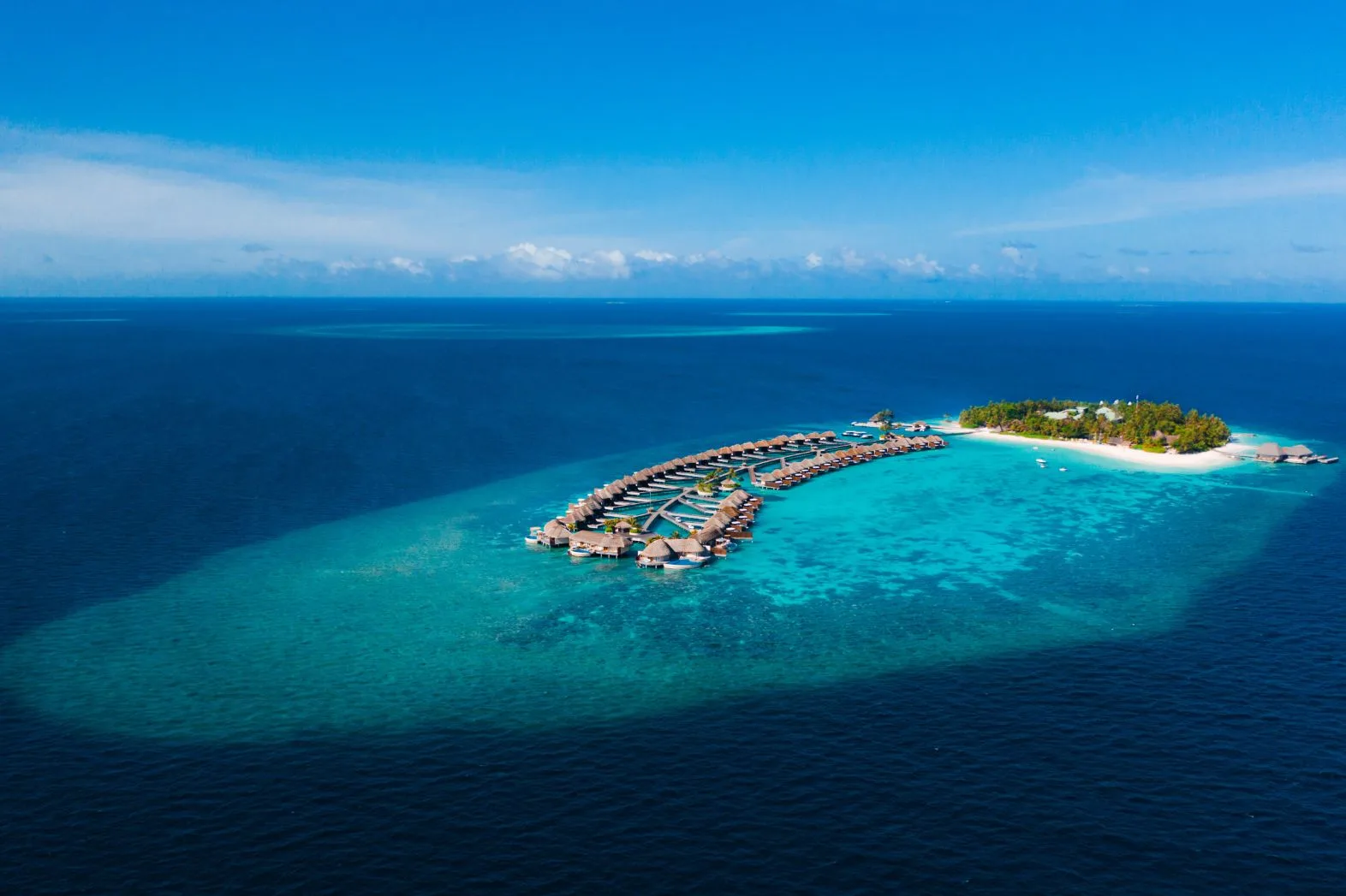
The Maldives is one of the world’s great snorkeling destinations, but choosing where to stay can make a significant difference to the experience.
Some islands offer exceptional house reefs just steps from the beach, while others are best positioned for encounters with manta rays, whale sharks and other marine life.
From the protected waters of Baa Atoll to the whale shark hotspots of South Ari Atoll, these are some of the best places to snorkel in the Maldives — and what to consider when choosing the right island for your trip.
Baa Atoll: Best for Manta Ray Snorkeling
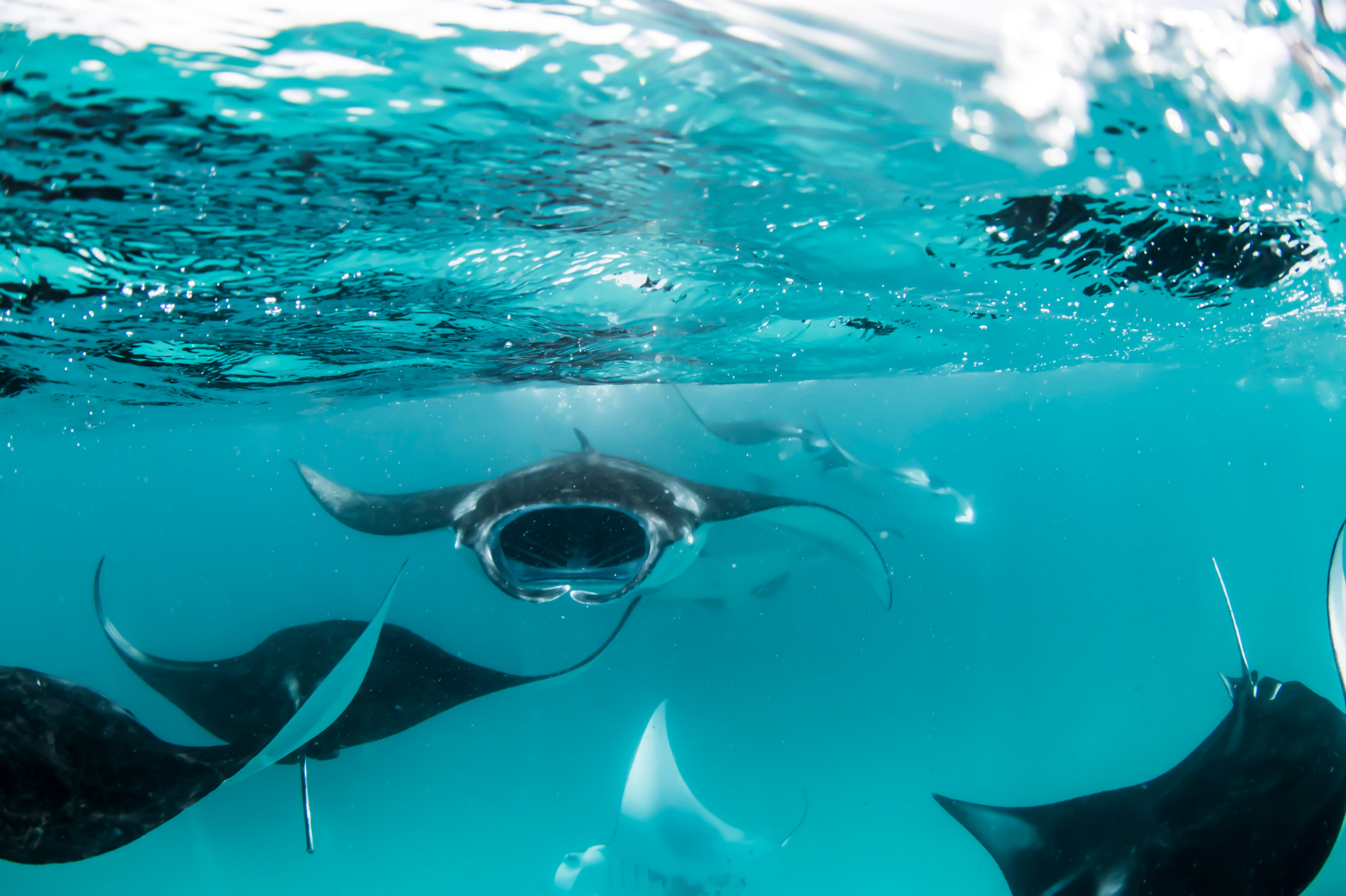
For travellers hoping to snorkel with manta rays, Baa Atoll is one of the most exciting places in the Maldives. A designated UNESCO Biosphere Reserve, the atoll is home to Hanifaru Bay, a protected marine area famous for extraordinary seasonal gatherings of reef manta rays.
Between approximately May and November, the southwest monsoon brings plankton-rich water into the bay, attracting feeding mantas, with peak activity typically occurring from June to October. Snorkeling is the way to experience Hanifaru Bay — scuba diving is not permitted within the protected bay — and visits are carefully managed to protect its marine ecosystem. As with all wildlife encounters, sightings can never be guaranteed.
Several resorts within the SEANSES collection offer excellent access to this part of the Maldives.
Four Seasons Resort Maldives at Landaa Giraavaru sits within the Baa Atoll UNESCO Biosphere Reserve and combines marine research and conservation programmes with opportunities to snorkel with manta rays and explore the surrounding lagoon.
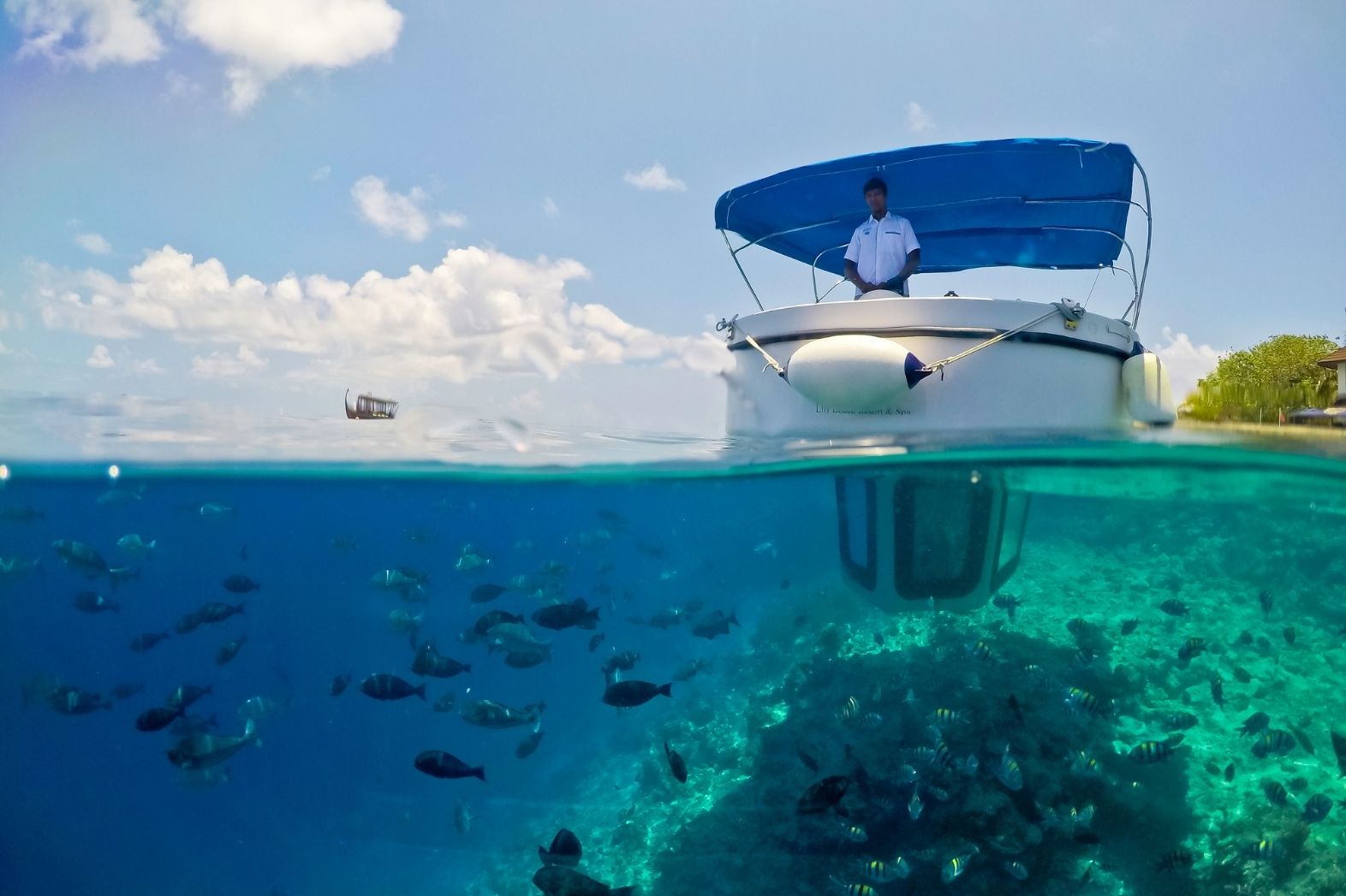
Amilla Maldives is another particularly interesting choice for snorkelers: its house reef can be accessed directly from the beach, while its location places guests close to Hanifaru Bay.
For a more intimate island experience, Milaidhoo Maldives is surrounded by a lively house reef and also offers guided trips to Hanifaru Bay during manta season.
This combination — a good house reef for everyday snorkeling and access to one of the Maldives’ most remarkable seasonal marine encounters — is one of the reasons Baa Atoll stands out.
South Ari Atoll: Best for Whale Sharks
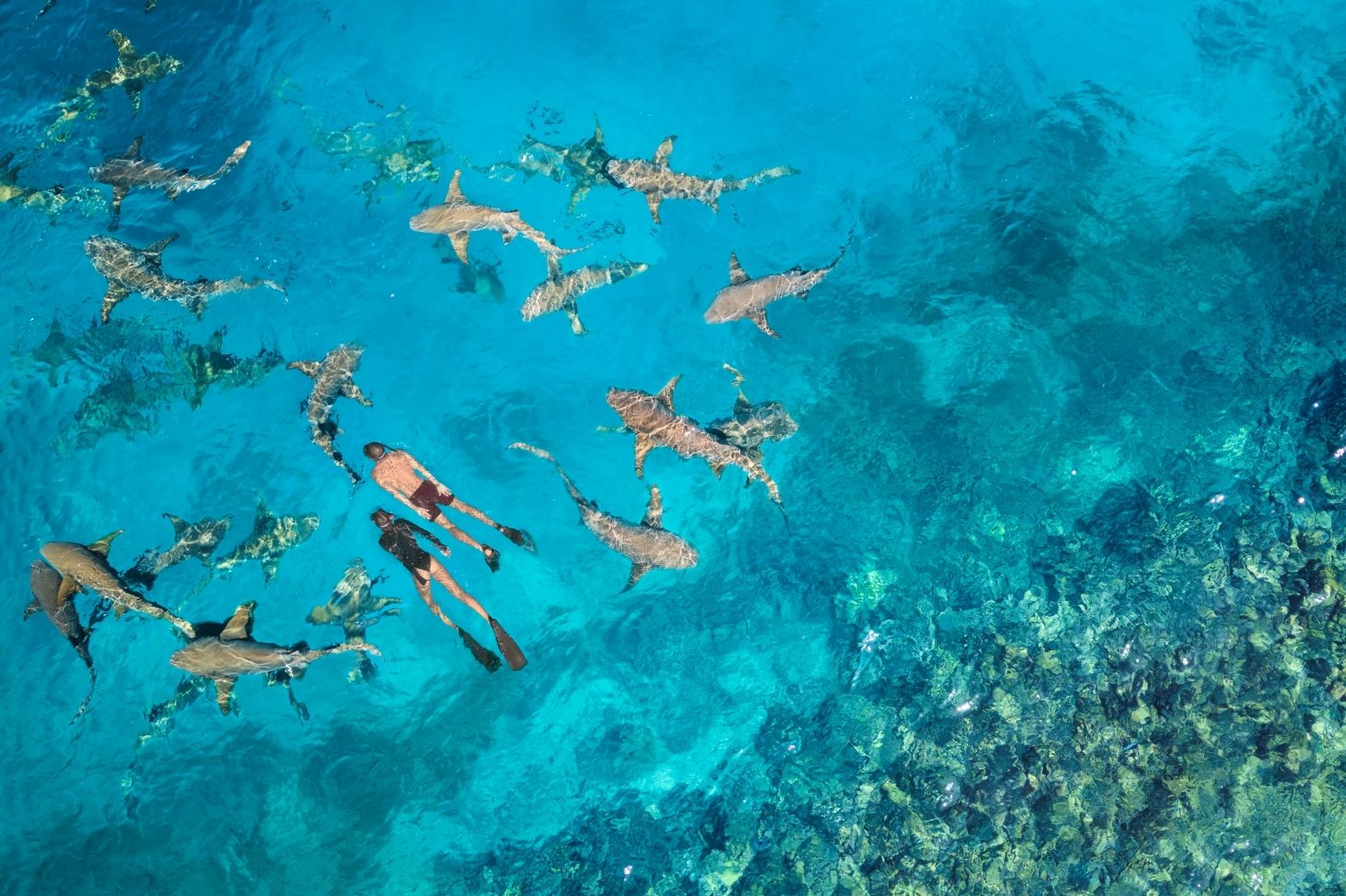
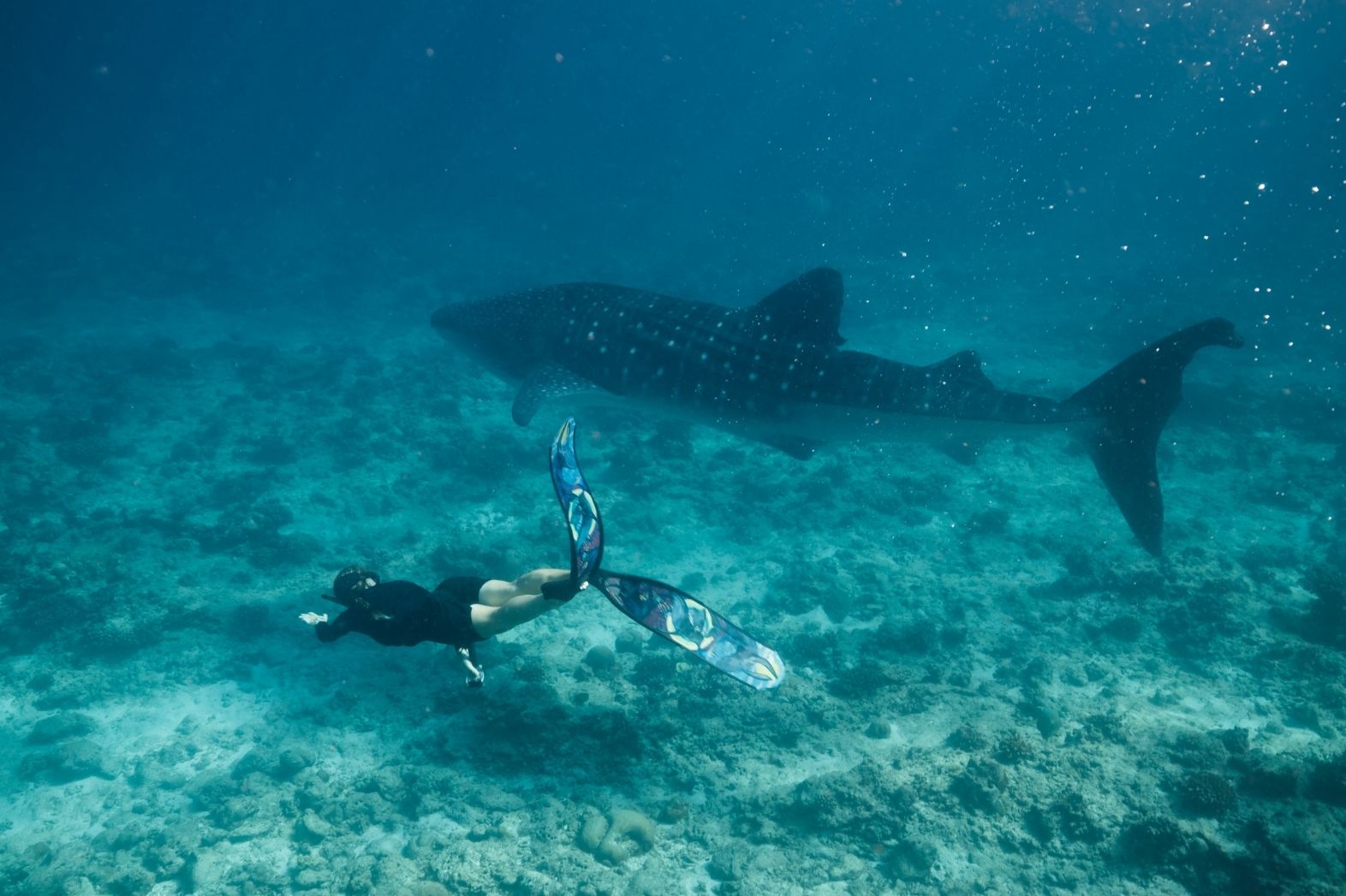
If swimming alongside a whale shark is at the top of your Maldives wish list, South Ari Atoll should be one of the first places to consider.
The South Ari Marine Protected Area, or SAMPA, is internationally important for whale sharks. Unlike many whale shark hotspots around the world where sightings are strongly seasonal, whale sharks can be encountered in South Ari throughout the year. The area is particularly associated with juvenile whale sharks, many of which are repeatedly recorded returning to these waters.
That makes South Ari one of the best snorkeling areas in the Maldives for whale sharks, although it is important to understand how the experience works.
Whale sharks are not waiting beside the resort’s jetty: encounters generally involve guided boat excursions to areas where sharks have been sighted, and their movements remain entirely natural.
Conrad Maldives Rangali Island is especially well positioned for travellers interested in this experience. Located in South Ari Atoll, the resort combines access to the wider marine environment with an excellent house reef, meaning snorkeling does not have to be limited to dedicated whale shark excursions.
South Ari therefore works particularly well for travellers who want both: the possibility of one of the Maldives’ most iconic wildlife encounters and plenty of opportunities to simply put on a mask and explore the reef.
North Ari Atoll: Best for House-Reef Snorkeling
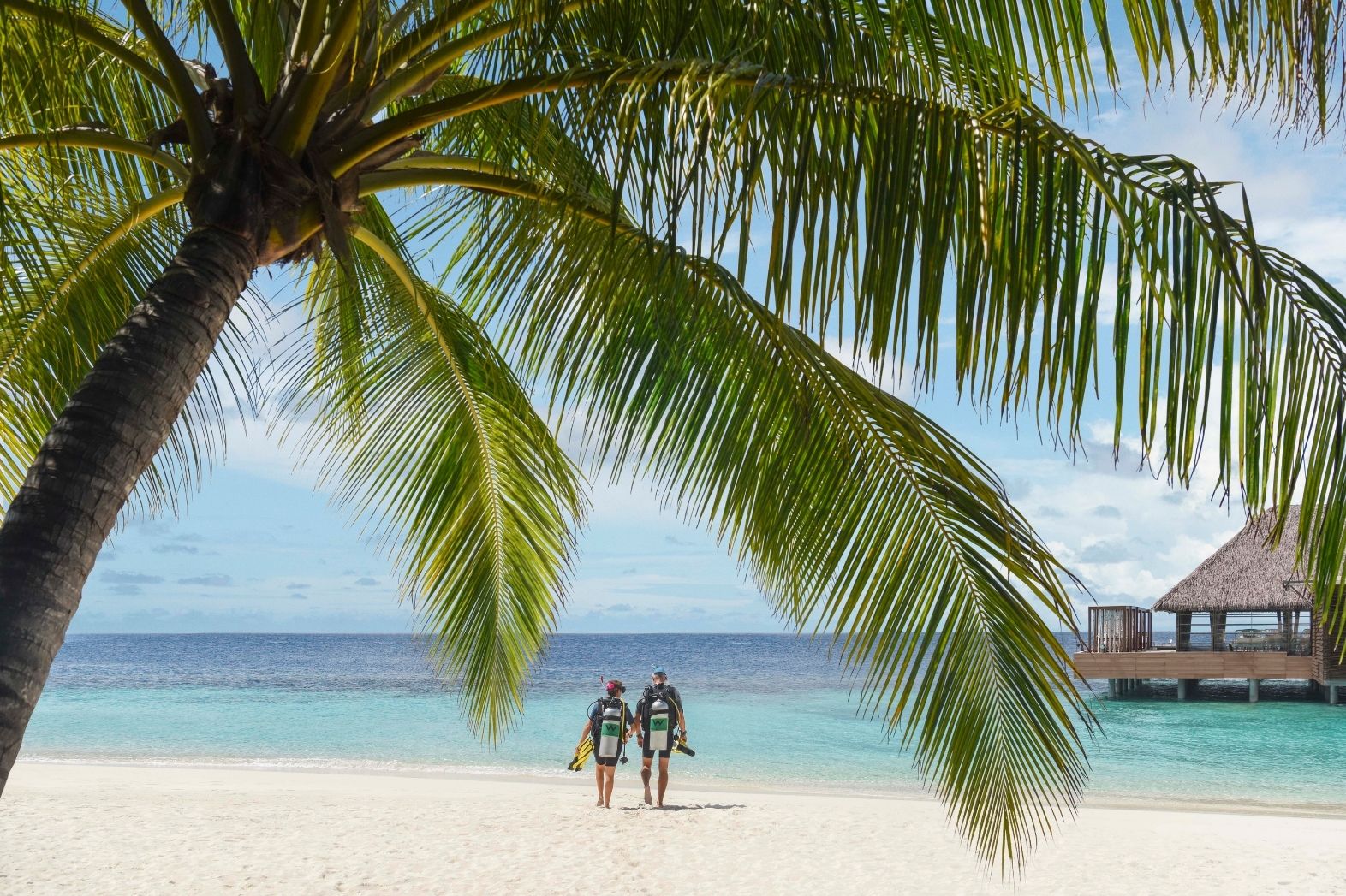
Not everyone chooses the Maldives specifically to see manta rays or whale sharks. For many travellers, the best snorkeling experience is much simpler: being able to walk out of the villa or off the beach and find a living reef without boarding a boat.
This is where North Ari Atoll becomes particularly interesting.
W Maldives is one of the standout choices within the SEANSES collection for house-reef snorkeling. The private island is surrounded by a thriving house reef, giving guests opportunities to explore the underwater world as part of the everyday island experience rather than only on scheduled excursions.
It also illustrates an important point when choosing the best snorkeling resort in the Maldives: a beautiful lagoon and a good house reef are not necessarily the same thing.
Wide, shallow turquoise lagoons look spectacular from above, but serious snorkelers often benefit more from an island where the reef edge is easily accessible and deeper water begins relatively close to shore.
If snorkeling is going to be a major part of your holiday, reef access should therefore be considered alongside the villa, beach and lagoon when choosing a resort.
Raa Atoll: A Quieter Snorkeling Alternative
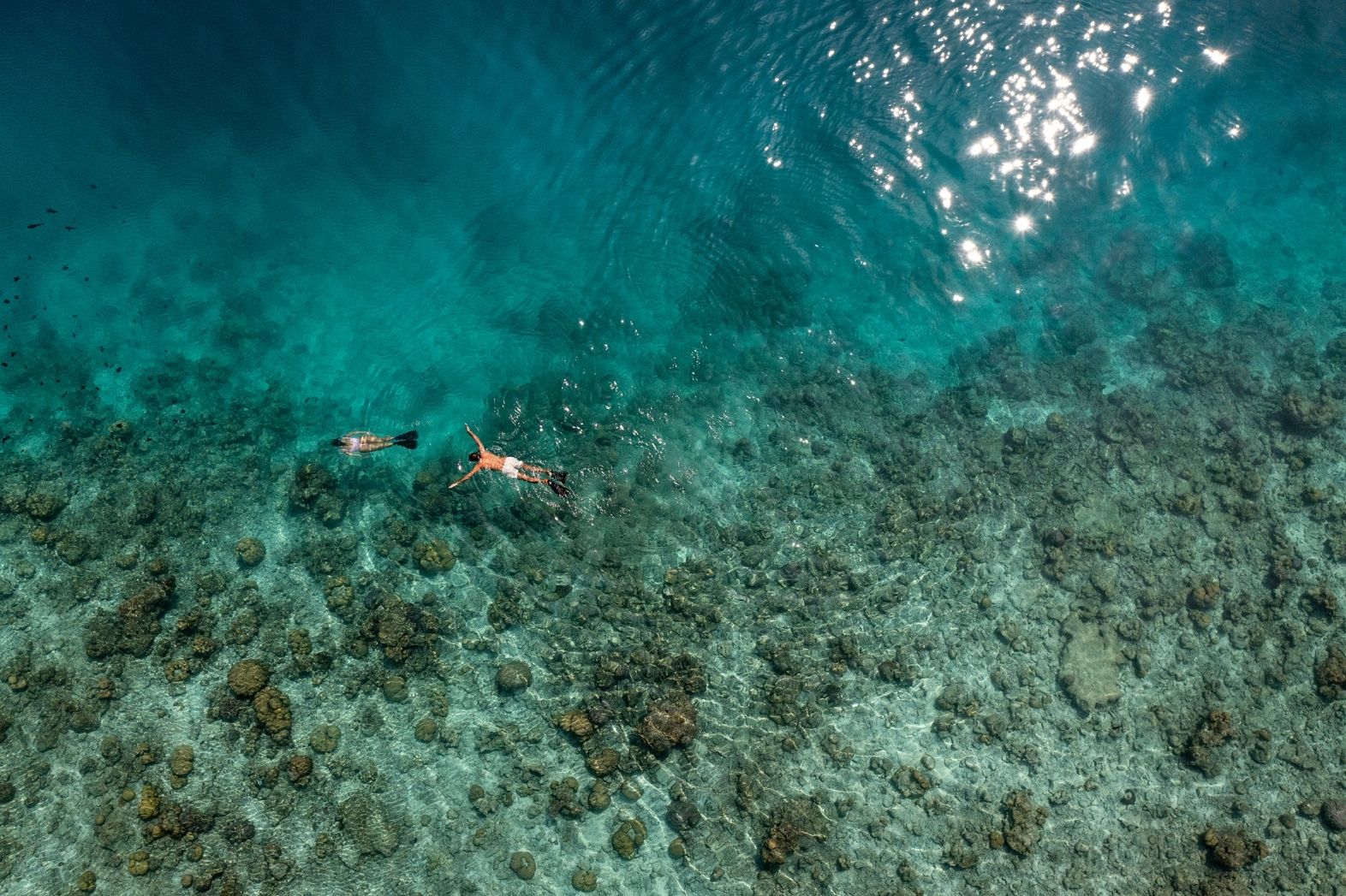
Travellers looking beyond the Maldives’ best-known marine hotspots should also consider Raa Atoll, where excellent snorkeling can be combined with a quieter sense of exploration.
Alila Kothaifaru Maldives is surrounded by its own house reef, with snorkeling and diving forming an important part of the island experience. For travellers who prefer exploring independently rather than relying entirely on boat excursions, having this immediate access to the reef is a considerable advantage.
Elsewhere in the atoll, InterContinental Maldives Maamunagau Resort has an especially interesting marine setting. The resort lies beside an important manta ray habitat and has been involved in manta conservation and research initiatives, while Raa Atoll itself offers opportunities to encounter manta rays at different locations according to seasonal conditions.
When Is the Best Time to Snorkel in the Maldives?
You can snorkel in the Maldives year-round, but conditions and marine-life encounters change with the monsoons.
The northeast monsoon, broadly associated with the period from December to April, generally brings drier weather and is often favoured by travellers looking for clear underwater conditions. From May onwards, the southwest monsoon can bring more changeable weather and increased plankton levels, which can reduce visibility in some areas.
For marine-life enthusiasts, however, more plankton is not necessarily a disadvantage. It is precisely these nutrient-rich conditions that help create the spectacular manta feeding season around Hanifaru Bay in Baa Atoll.
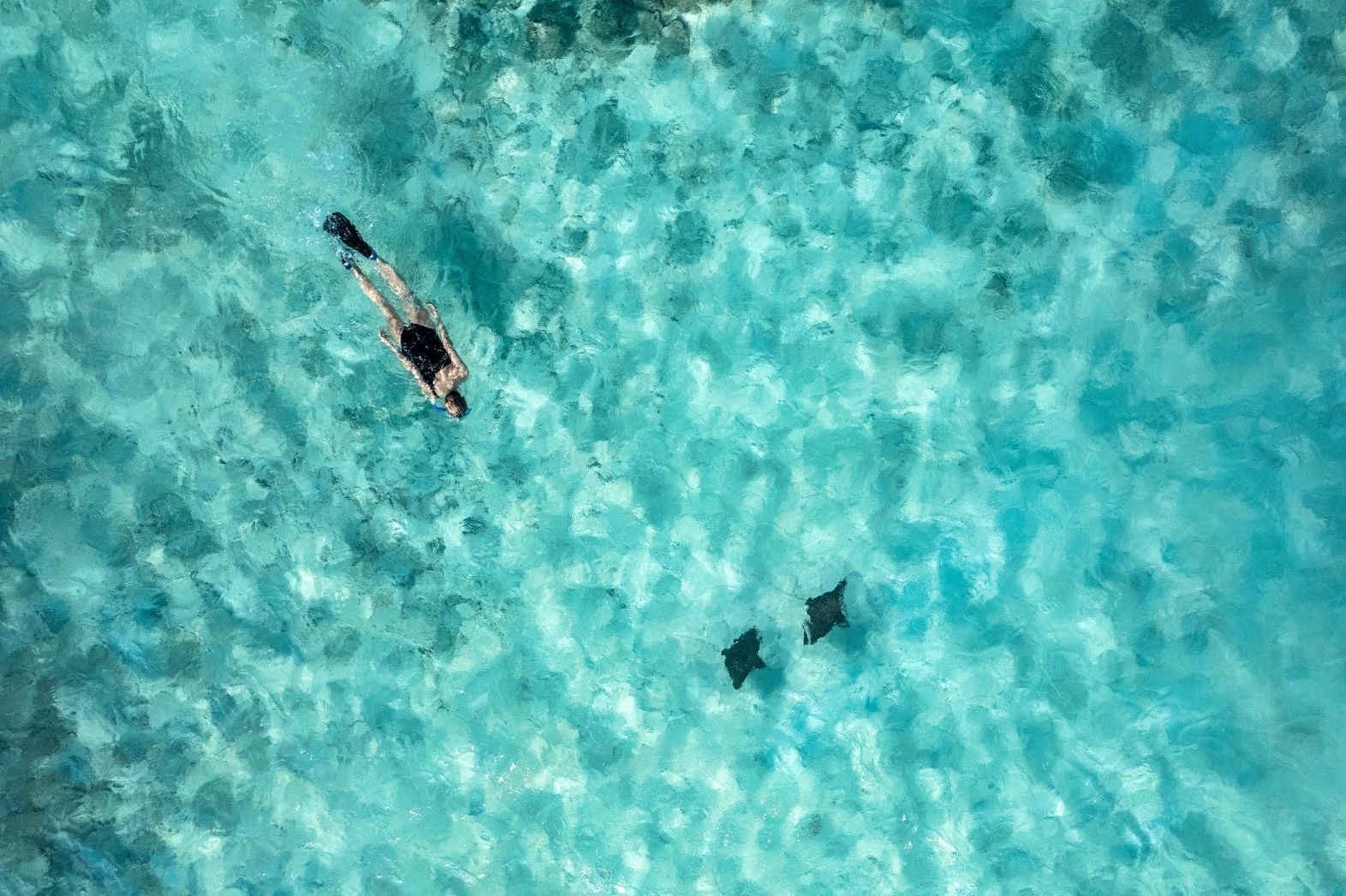
The best time therefore depends on the purpose of the trip. For general reef snorkeling and typically clearer conditions, the dry season is an excellent choice. For Hanifaru Bay’s manta season, plan around the May-to-November period, particularly the core months from June to October. Travellers focused on whale sharks have more flexibility, as South Ari Atoll offers opportunities for sightings throughout the year.