
In the Maldives, sustainability is no longer only measured by solar panels, recycling systems, or coral restoration programmes. At the most thoughtful luxury resorts, it begins much earlier — with the way an island is imagined, shaped, built, and experienced.
Eco-friendly design in the Maldives is about more than reducing impact. It is about architecture that responds to the landscape, villas that embrace natural light and sea breezes, and spaces that create a genuine connection with the surrounding environment. From sustainable villas and biophilic design to carefully considered master planning, architecture has become an essential part of the luxury travel experience.
Today, some of the leading eco luxury resorts in the Maldives are redefining what sustainable architecture can look like. These properties demonstrate how thoughtful design and environmental responsibility can work together to create some of the most inspiring and sustainable resort experiences in the Indian Ocean.
Patina Maldives, Fari Islands
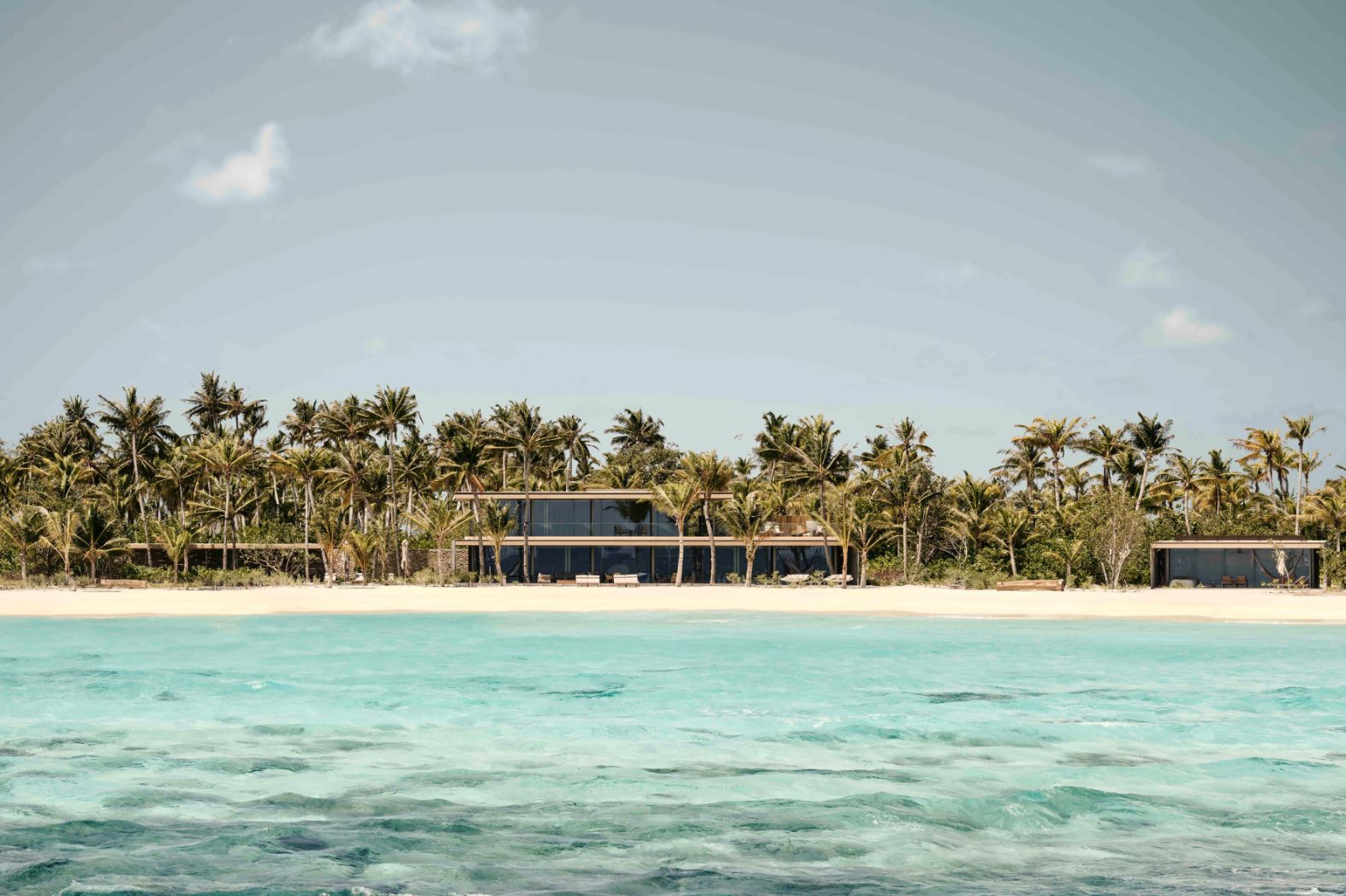
Patina Maldives is one of the clearest examples of sustainable resort design in the Maldives expressed through contemporary architecture. Designed by Studio MK27 under Marcio Kogan, the resort brings a refined, minimalist approach to island living, where clean lines, low volumes, and natural materials allow the landscape to remain the focus.
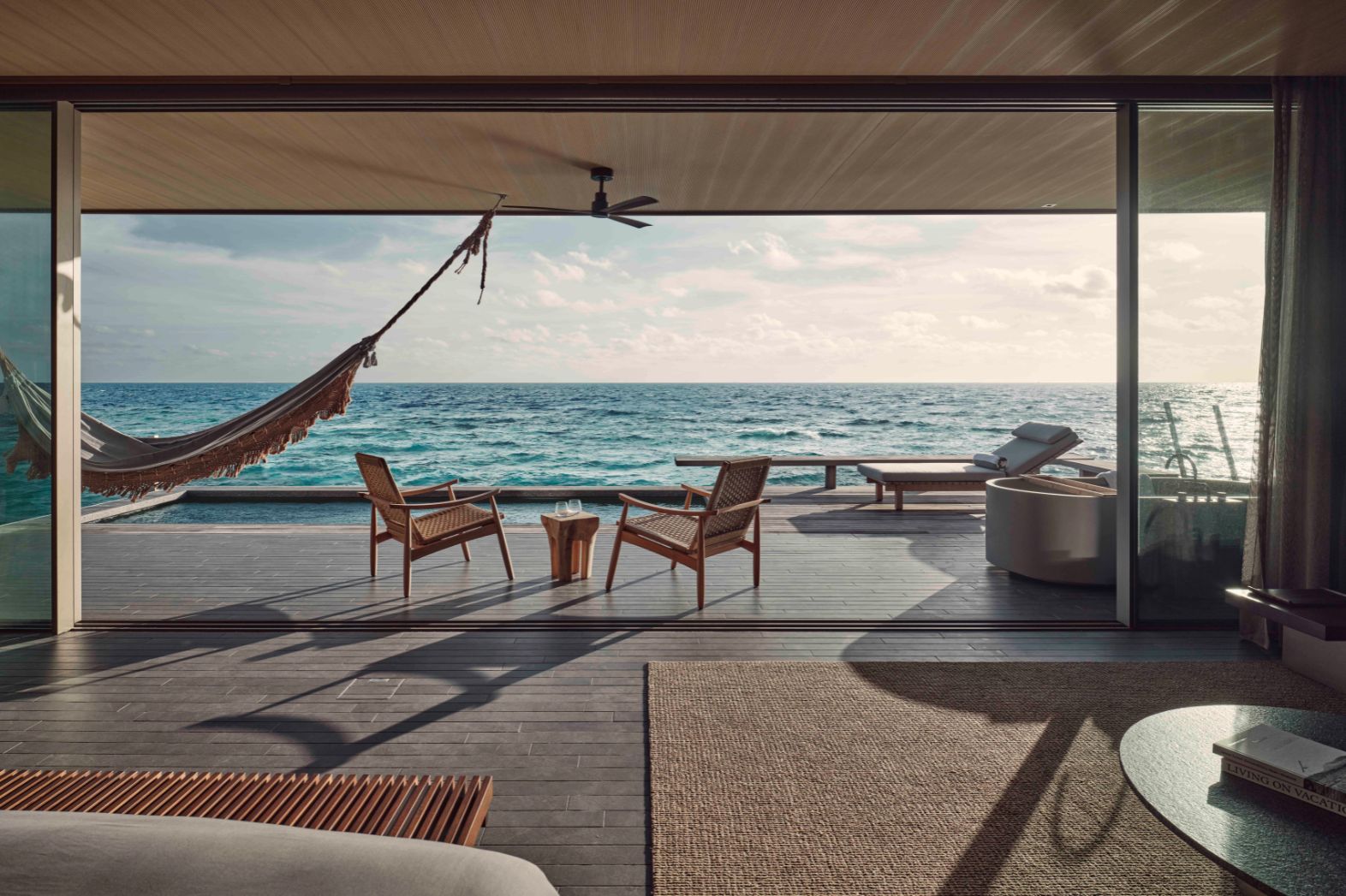
Rather than creating a visual statement that competes with the island, the architecture feels deliberately restrained. Villas are shaped to frame the ocean, filter natural light, and encourage an indoor-outdoor rhythm that feels effortless. The palette is soft and grounded, allowing timber, stone, greenery, and water to become part of the design language.
What makes Patina especially interesting is its balance between modernity and sensitivity. The resort feels highly designed, yet never detached from its setting. Sustainability is present not only through operational choices, but through the way space is used: open, breathable, shaded, and connected to nature.
Patina is also widely regarded as one of the strongest examples of sustainable architecture in the Maldives, proving that contemporary design and environmental sensitivity can coexist without compromise.
For travellers interested in eco-friendly design in the Maldives with a contemporary edge, Patina offers one of the strongest architectural stories in the destination.
Soneva Fushi
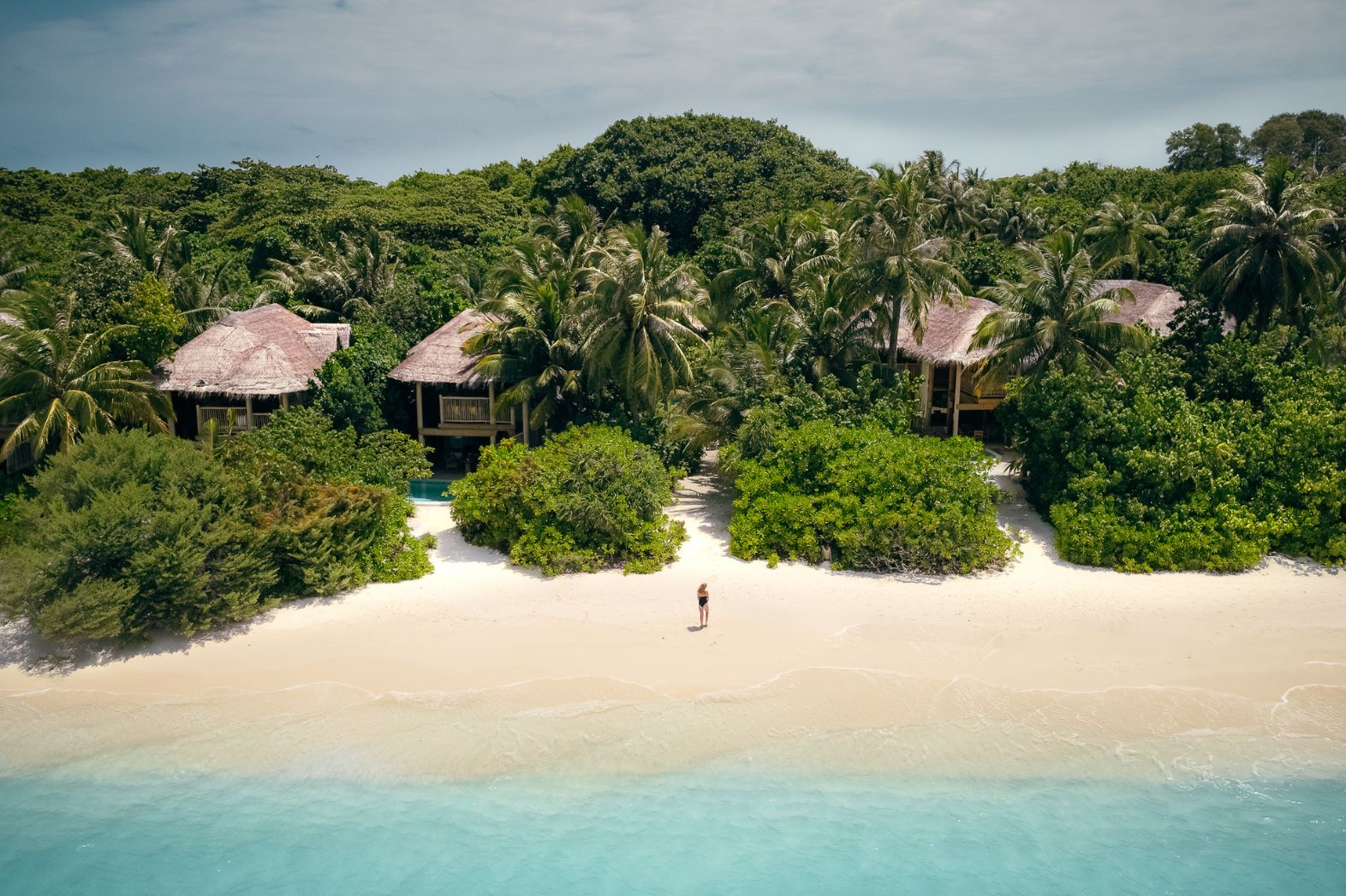
Soneva Fushi remains one of the Maldives’ original references for eco luxury resorts. Long before sustainability became a hospitality trend, Soneva built its identity around barefoot luxury, natural materials, and a slower, more thoughtful way of inhabiting an island.
The design philosophy is rooted in a sense of discovery. Villas are tucked into dense jungle, pathways are sandy and informal, and the overall architecture feels less like a resort masterplan and more like a private island village. This is sustainable architecture in the Maldives expressed through softness, privacy, and restraint.
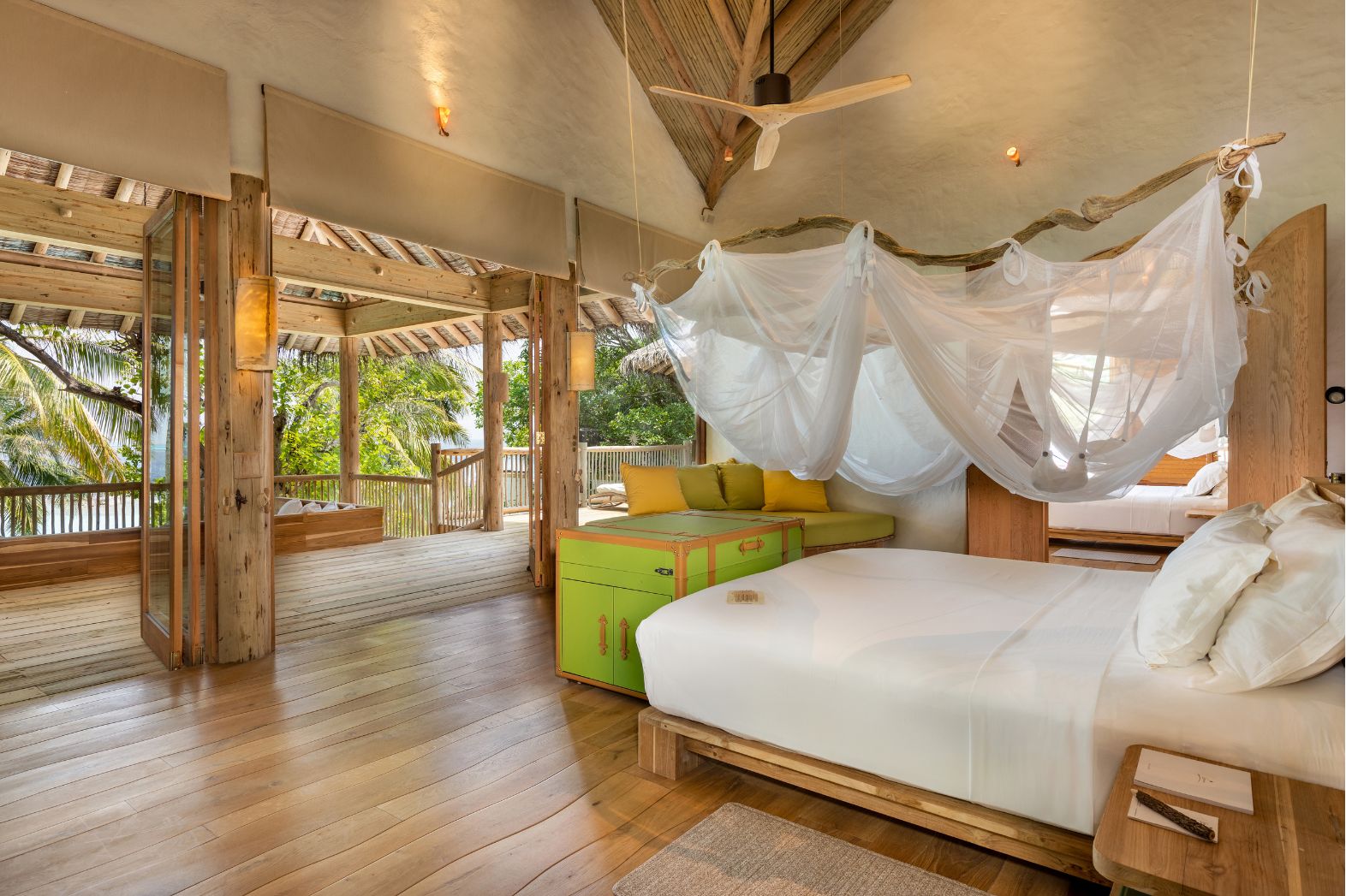
At Soneva Fushi, luxury is not about polished perfection. It is about space, nature, craftsmanship, and freedom. The villas are generous yet grounded, often hidden among palms rather than placed in full view. This creates a feeling of immersion that supports the resort’s wider environmental ethos.
Sustainability initiatives, from waste management to renewable energy, play an important role. But the deeper impact comes from the design itself: a resort that teaches guests to slow down, live lightly, and reconnect with the natural world.
Soneva Jani
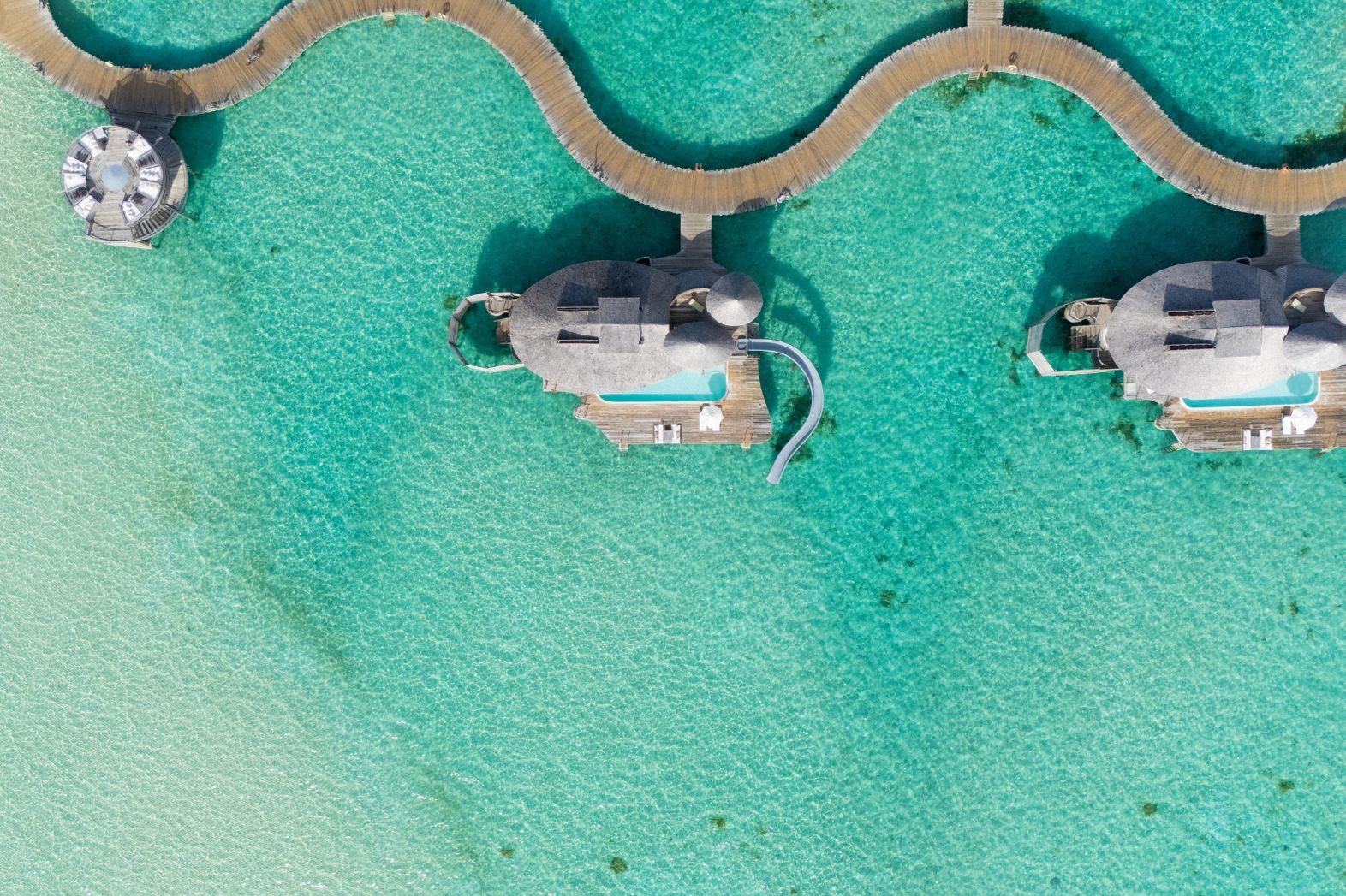
If Soneva Fushi is about jungle immersion, Soneva Jani is about the lagoon. Its design language is more expansive, with sweeping overwater villas, open decks, retractable roofs, and uninterrupted views across the Indian Ocean.
The challenge with overwater architecture is always balance. It must offer drama without overwhelming the seascape. At Soneva Jani, the villas are designed as private sanctuaries that celebrate space, light, and water while maintaining the relaxed, natural character associated with the Soneva brand.
This makes the resort a valuable example of how sustainable villas in the Maldives can deliver extraordinary levels of luxury while maintaining a lighter relationship with the surrounding environment.
The experience is highly luxurious, but the design avoids unnecessary heaviness. Natural textures, open-air living, and a sense of play create a lighter relationship between architecture and environment.
Soneva’s wider sustainability work, including renewable energy and responsible operations, gives additional depth to the resort’s design story. But for guests, the most memorable element is often emotional: the feeling of living directly with the lagoon, sunrise, stars, and sea.
Gili Lankanfushi
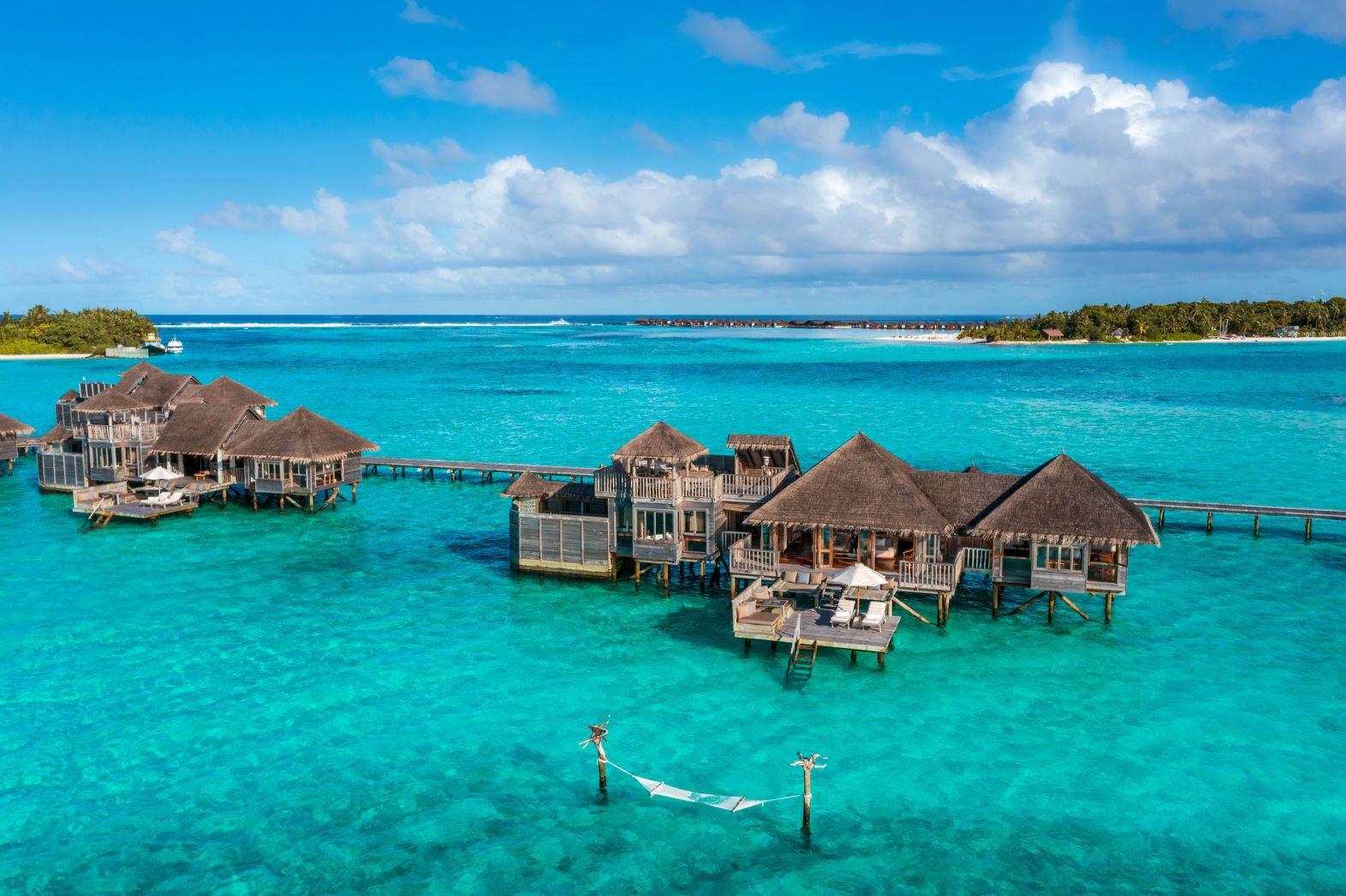
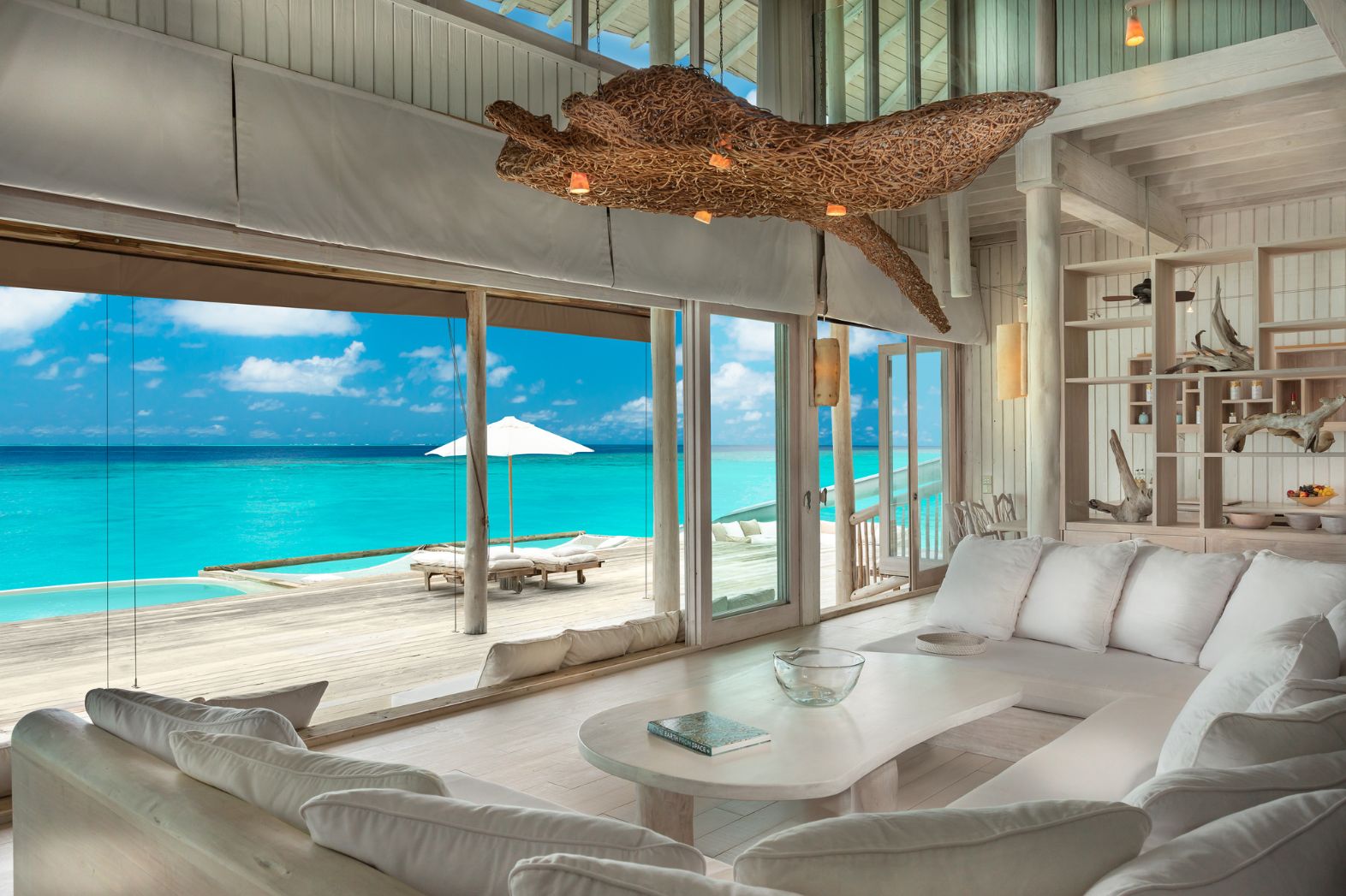
Gili Lankanfushi is one of the most iconic examples of barefoot luxury in the Maldives, and its design philosophy is closely tied to the idea of simplicity. The resort’s overwater villas are crafted with natural materials and a deliberately understated aesthetic, creating a setting that feels relaxed, private, and deeply connected to the lagoon.
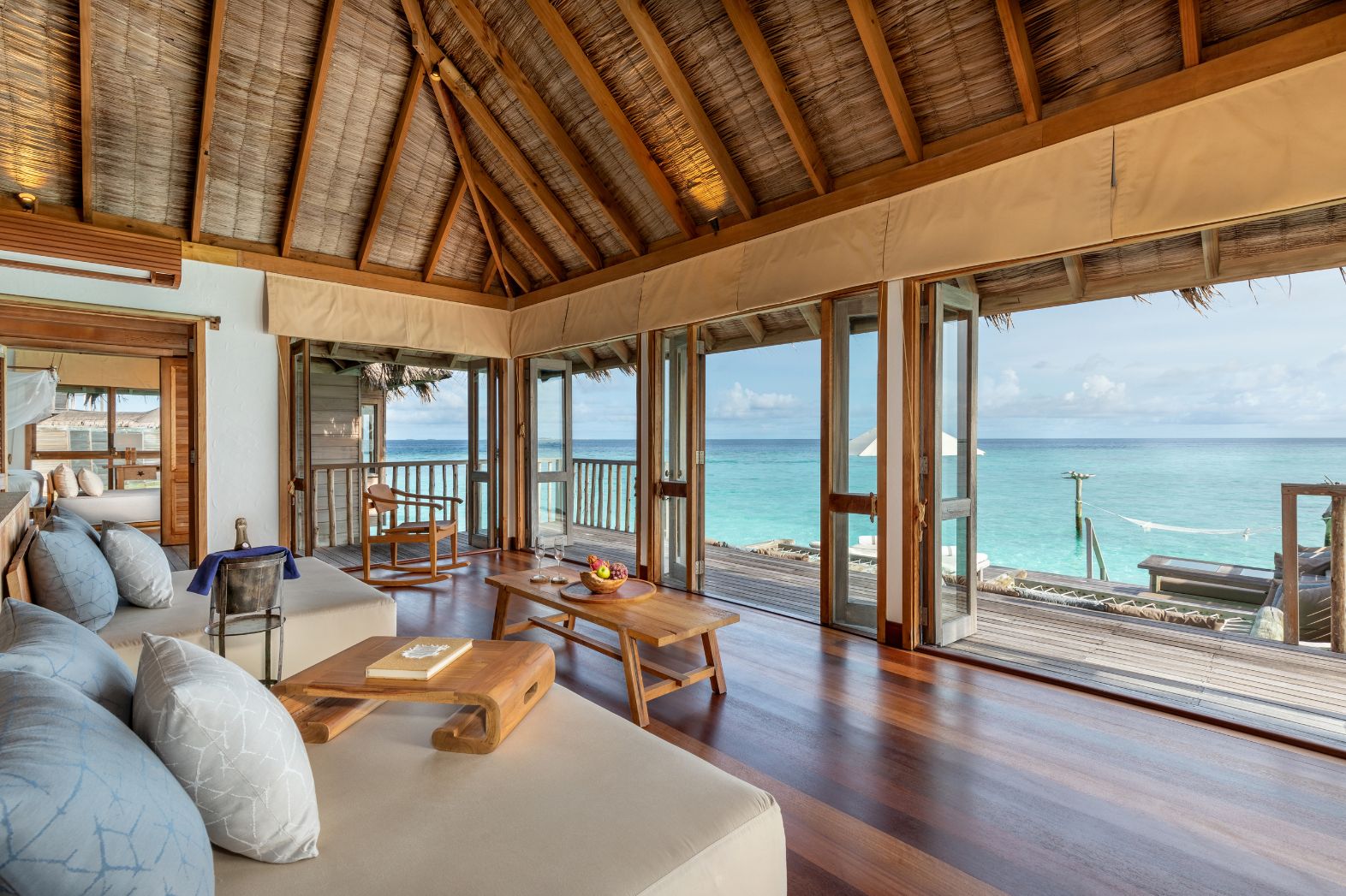
Rather than using architecture to impress immediately, Gili Lankanfushi relies on proportion, texture, and atmosphere. Timber walkways, open living spaces, thatched roofs, and soft natural tones give the resort a sense of calm that feels both luxurious and low-impact.
Its approach to eco-friendly design lies in this quietness. The villas do not feel overbuilt. They invite natural airflow, frame the sea, and encourage guests to move slowly between indoor and outdoor spaces. This is sustainability as a way of living, not simply a list of practices.
For travellers seeking luxury eco resorts in the Maldives with an authentic barefoot character, Gili Lankanfushi remains one of the most elegant references.
JOALI BEING
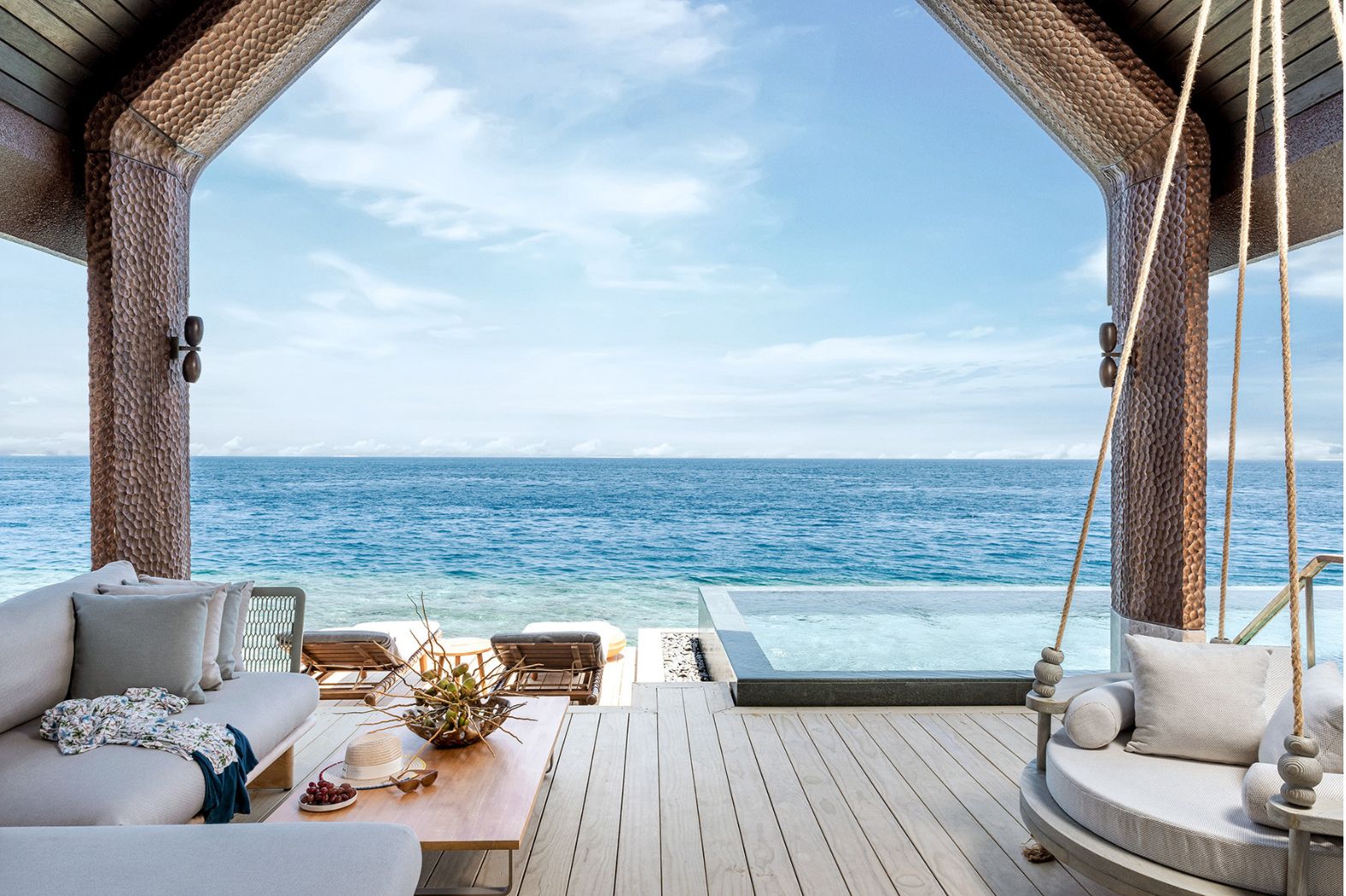
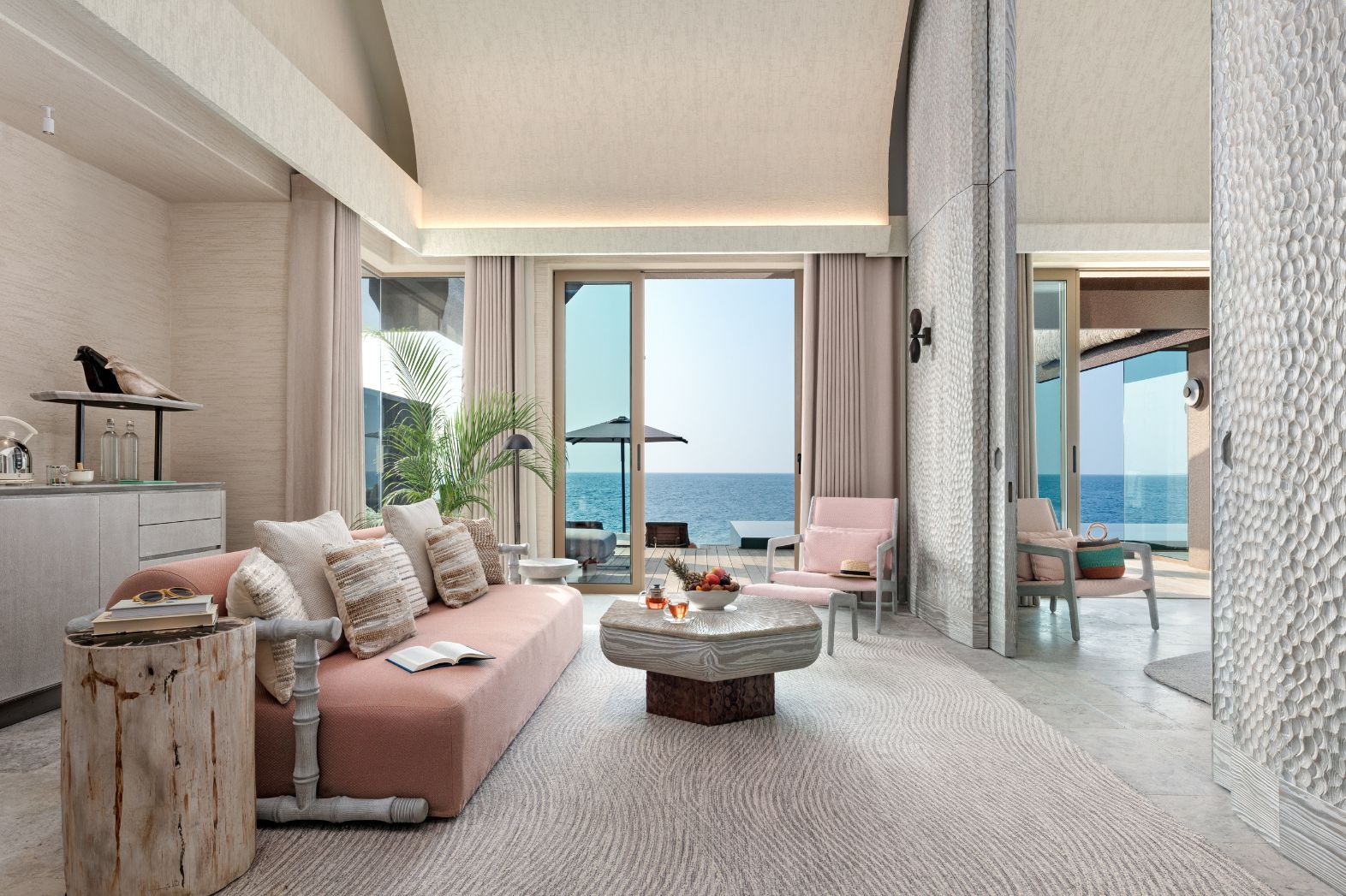
JOALI BEING offers a different interpretation of eco-friendly design in the Maldives, one centred on wellbeing and biophilic design. Here, architecture is not only about aesthetics or environmental sensitivity. It is also about how a space makes the guest feel.
The resort’s design is guided by harmony with nature, using landscaping, light, movement, and spatial flow to create a restorative atmosphere. Villas and wellbeing spaces are designed to encourage calm, privacy, and reconnection with the body and mind.
This makes JOALI BEING one of the most compelling examples of biophilic design in the Maldives, where architecture, wellbeing, and nature are intentionally connected.
The island’s architecture embraces its surroundings rather than separating guests from them. Natural materials, open views, vegetation, and water are all part of the sensory experience.
Sustainability supports the concept, but the main story is emotional and architectural. JOALI BEING shows how eco-conscious luxury travel in the Maldives can move beyond conservation and become part of a wider philosophy of wellbeing.
Amilla Maldives
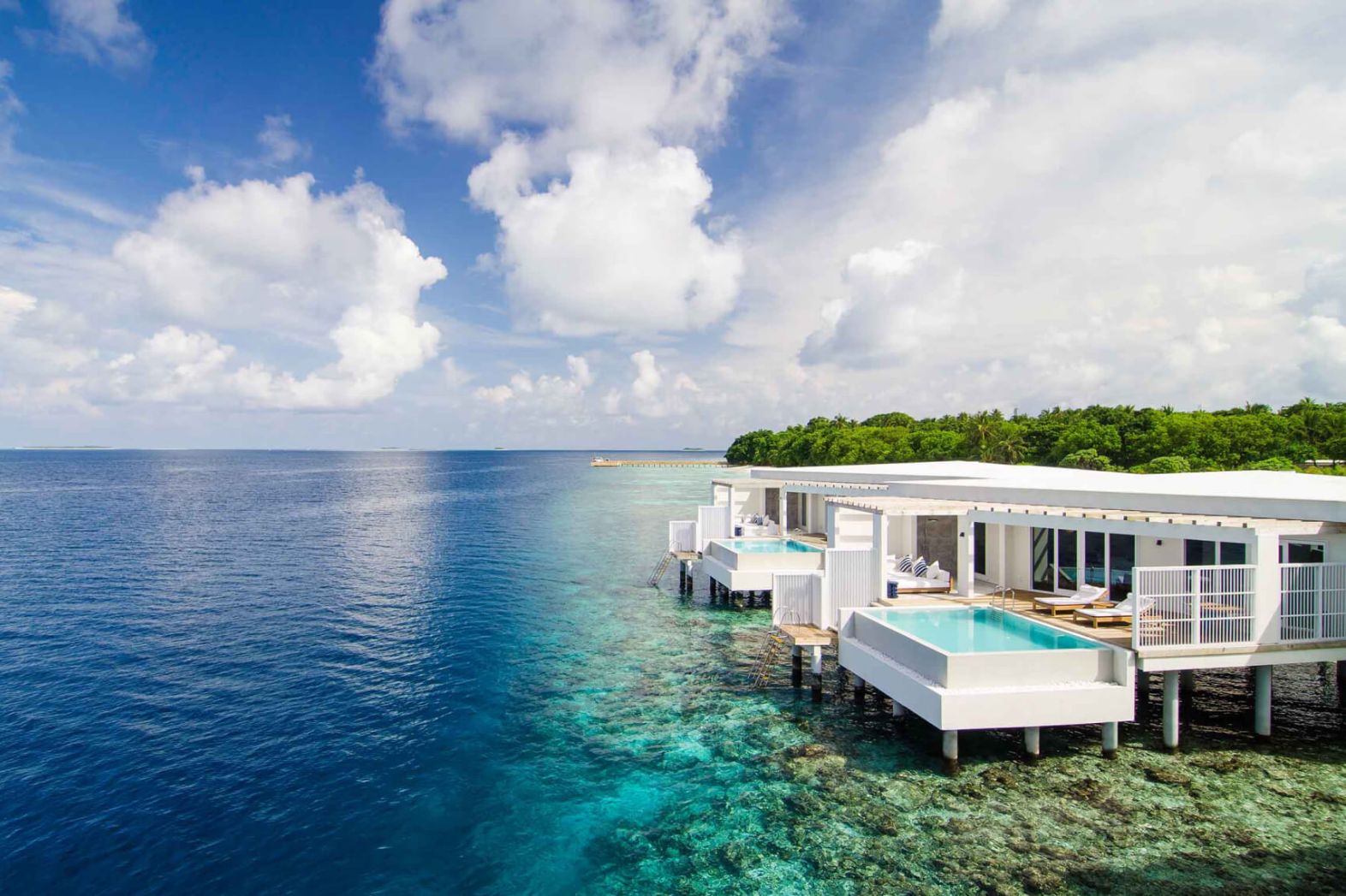
Amilla Maldives offers a softer, more residential interpretation of sustainable luxury. Located in Baa Atoll, a UNESCO Biosphere Reserve, the resort is surrounded by a rich natural environment that strongly shapes its identity.
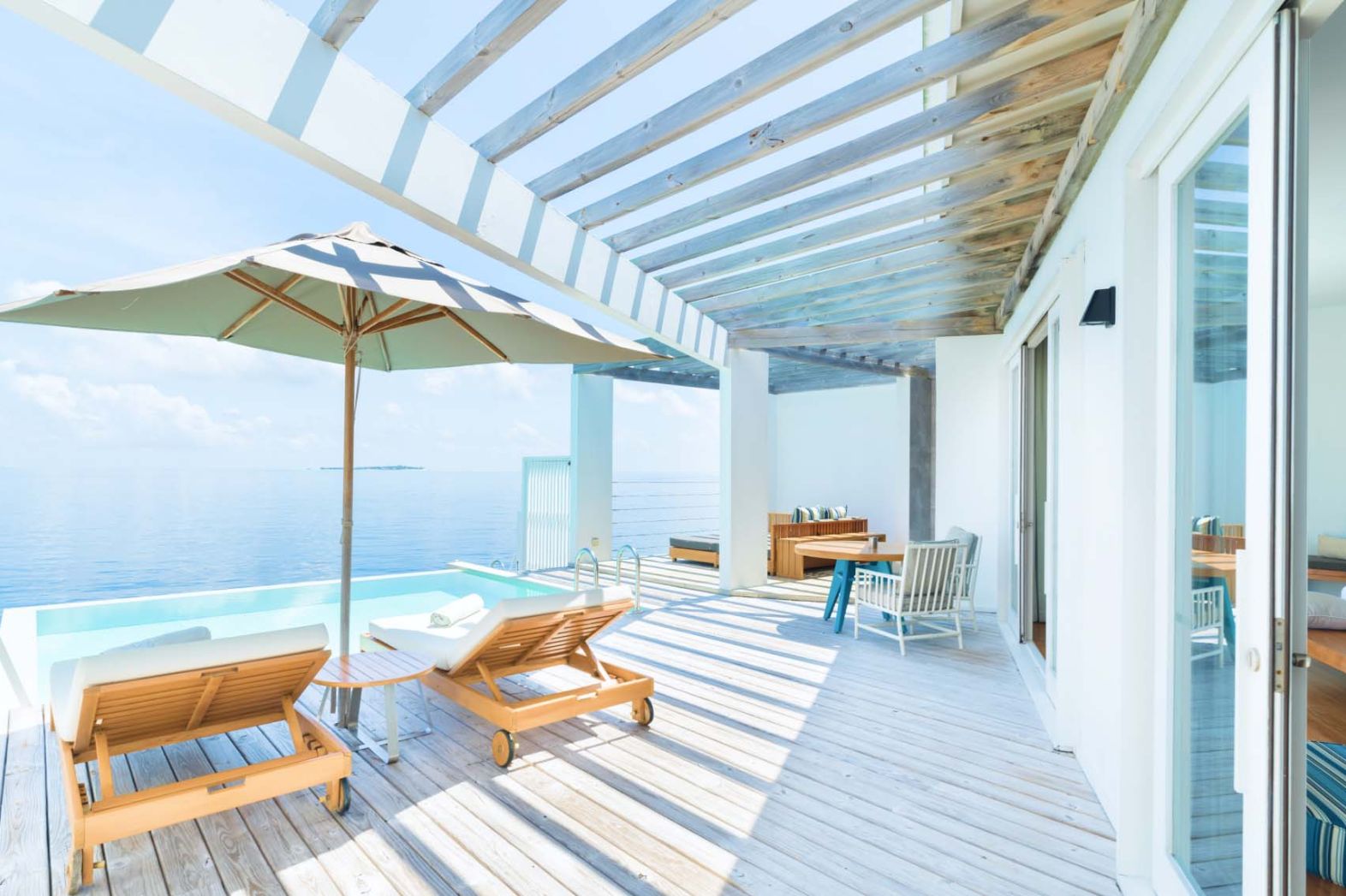
Design at Amilla is spacious, relaxed, and connected to nature. Villas and residences feature generous outdoor areas, private pools, and an easy relationship with the island landscape. The atmosphere is less formal than some ultra-luxury resorts, which gives it a distinctive sense of freedom.
What makes Amilla relevant to eco-friendly design in the Maldives is its relationship with space. Much of the island remains natural, allowing the resort to feel open and unforced. The architecture supports a slower pace of living, where guests can move between beach, jungle, villa, and ocean with ease.
Sustainability initiatives, including reef protection and environmental awareness, add substance to the experience. But the design story is equally important: Amilla shows how luxury can feel generous without becoming excessive.
Why Eco-Friendly Design Matters in the Maldives
The Maldives is one of the world’s most fragile luxury travel destinations. Every resort exists within a delicate relationship between land, lagoon, reef, and ocean. For this reason, sustainable architecture in the Maldives cannot be treated as a decorative concept. It has to shape the entire guest experience.
The most successful eco luxury resorts in the Maldives understand that design decisions matter. How a villa is positioned, how much shade it creates, how materials age, how guests move through the island, and how architecture interacts with the reef all contribute to the environmental and emotional footprint of a resort.
For today’s luxury traveller, sustainability is becoming more intuitive. Guests may not always ask about the technical details of energy systems or waste management, but they do notice when a resort feels harmonious. They notice natural airflow, privacy, quietness, thoughtful landscaping, and a sense that the island has not been overdesigned. This growing appreciation for thoughtful design reflects a wider interest in Sustainable Resorts in the Maldives, where environmental responsibility is increasingly shaping both architecture and the guest experience.
This is where eco-conscious luxury travel in the Maldives is heading. The future is not only about greener operations. It is about resorts that feel better because they are designed better.
Planning an Eco-Conscious Luxury Escape in the Maldives
Choosing among the leading eco luxury resorts in the Maldives does not mean compromising on comfort, privacy, or beauty. In many cases, the opposite is true. The most successful examples of eco-friendly design in the Maldives show that sustainability can enhance the guest experience through better architecture, more thoughtful planning, and a deeper connection to nature.
Whether the preference is the architectural minimalism of Patina Maldives, the barefoot philosophy of Soneva Fushi, the lagoon living of Soneva Jani, or the biophilic wellbeing of JOALI BEING, each resort offers a different interpretation of sustainable luxury.
For SEANSES travellers, the key is choosing the island whose design philosophy matches the journey. Some guests will prefer contemporary architecture and refined minimalism. Others will be drawn to jungle immersion, wellness-led spaces, or private overwater living.
Eco-friendly design in the Maldives is not a single style. It is a way of thinking — one where architecture, sustainability, and luxury work together to create a more considered island experience.
To learn more about luxury stays in the Maldives or to begin planning your eco-conscious island escape, contact the SEANSES team or explore more curated island experiences.


