
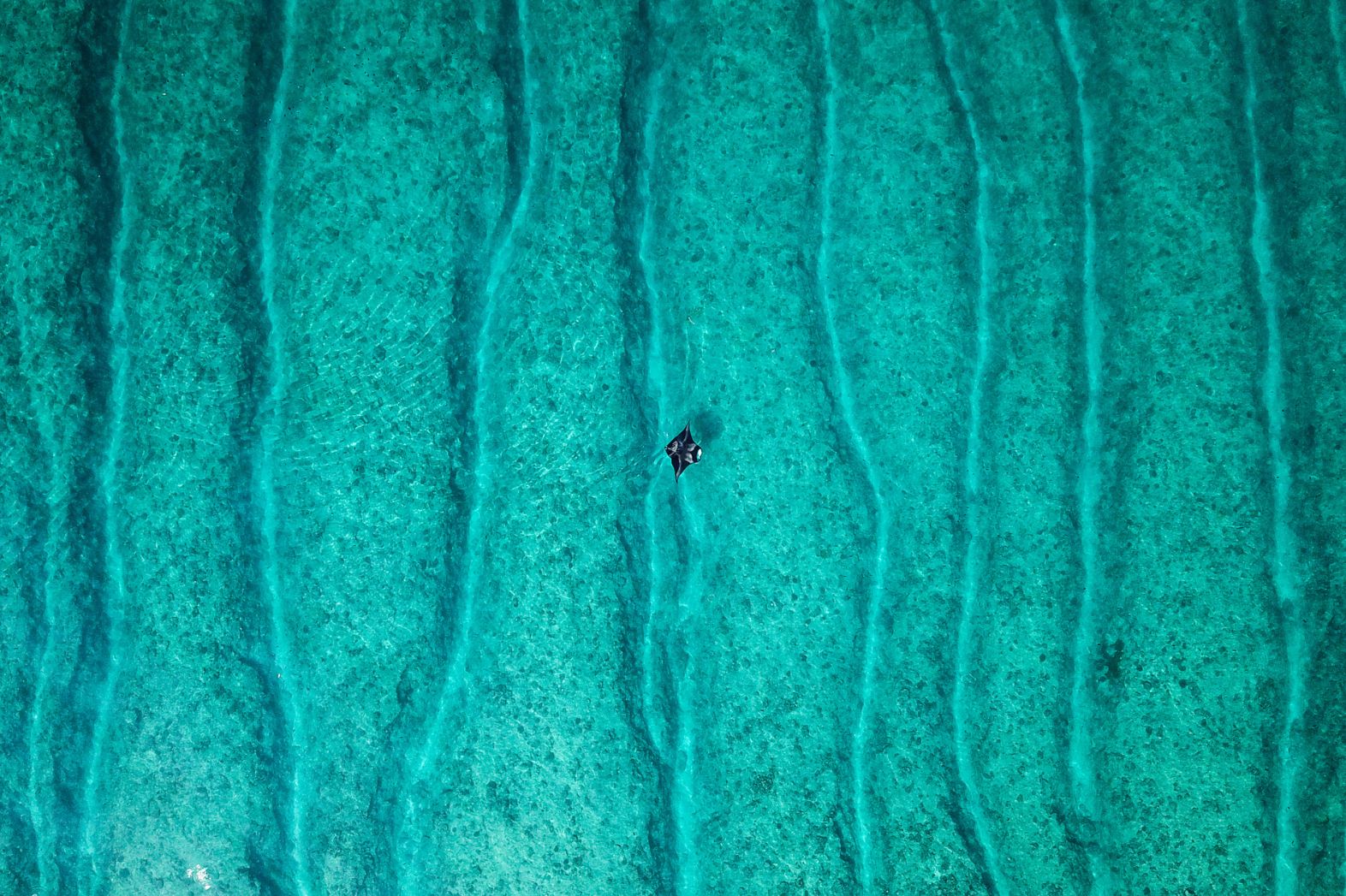
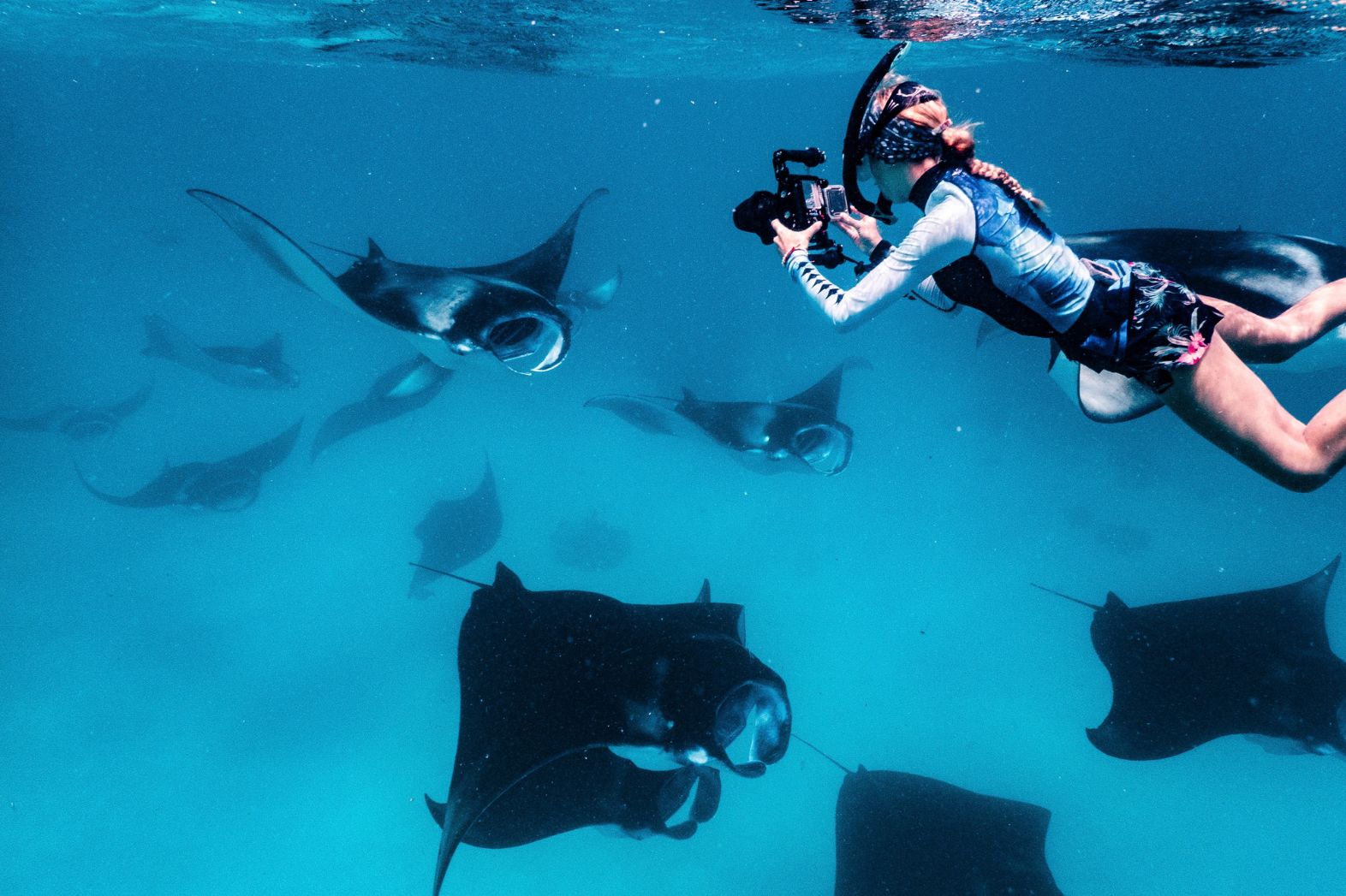
Few underwater encounters are as extraordinary as swimming alongside a manta ray. With their impressive wingspans and graceful movements, these gentle giants are among the most fascinating marine creatures to encounter in the Maldives.
Surrounded by warm tropical waters, vibrant coral reefs and nutrient-rich currents, the Maldivian archipelago offers remarkable opportunities to observe manta rays in their natural habitat. From solitary encounters above colourful reefs to spectacular feeding gatherings involving dozens of mantas, every experience reveals a different side of the ocean.
Whether you are planning a snorkelling adventure in Hanifaru Bay or hoping to encounter manta rays during a luxury island escape, understanding where and when to find them can make all the difference.
Meet the Manta Rays of the Maldives
The Maldives is home to two species of manta rays: reef manta rays (Mobula alfredi) and oceanic manta rays (Mobula birostris).
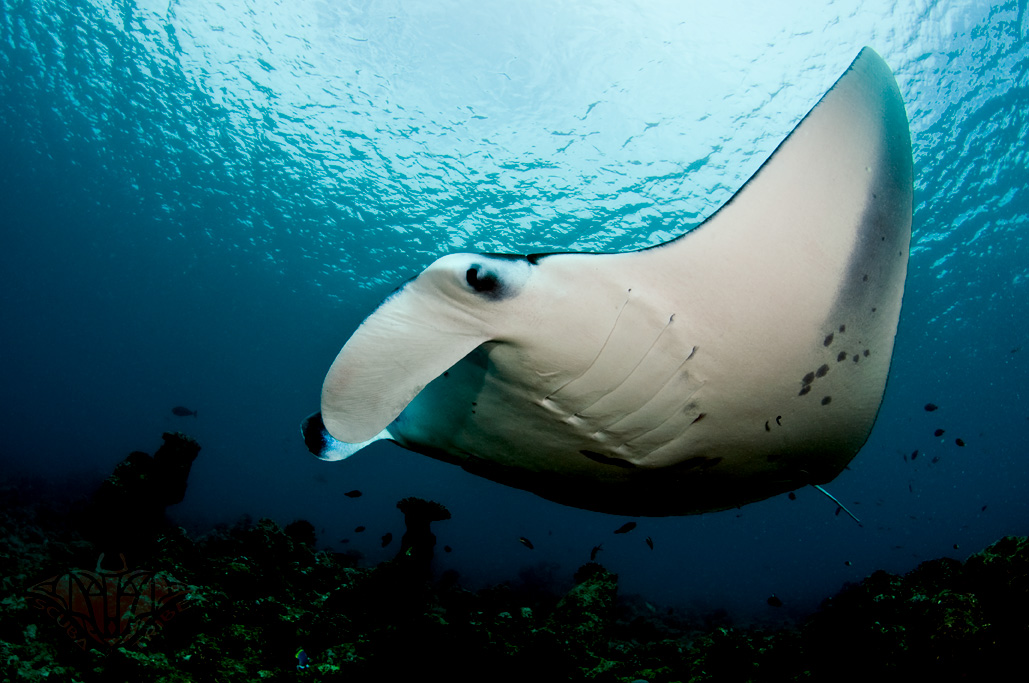
Reef Manta Ray
Mobula alfredi
The more commonly encountered manta species in the Maldives, reef manta rays typically reach wingspans of three to four metres. They inhabit coastal waters, lagoons and coral reefs, often gathering at plankton-rich feeding grounds or cleaning stations where smaller fish remove parasites from their skin. These graceful creatures are particularly famous for their spectacular seasonal gatherings at Hanifaru Bay.
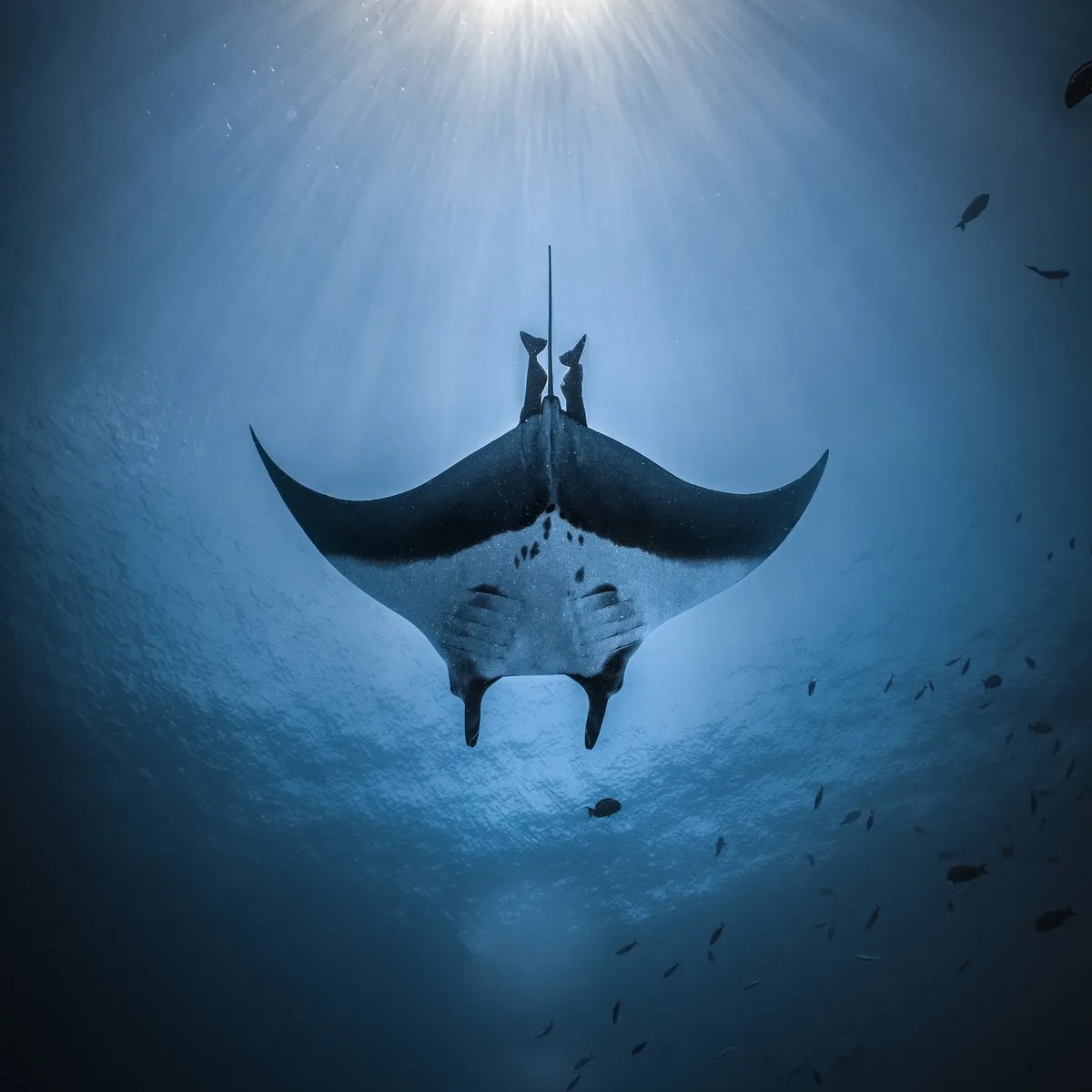
Oceanic Manta Ray
Mobula birostris
Considerably larger than their reef-dwelling relatives, oceanic manta rays can reach impressive wingspans of up to seven metres. These magnificent animals prefer deeper offshore waters and are generally encountered less frequently. In the Maldives, they are occasionally spotted around the southern atolls, including Fuvahmulah, where the open ocean creates opportunities for encounters with larger pelagic marine life.
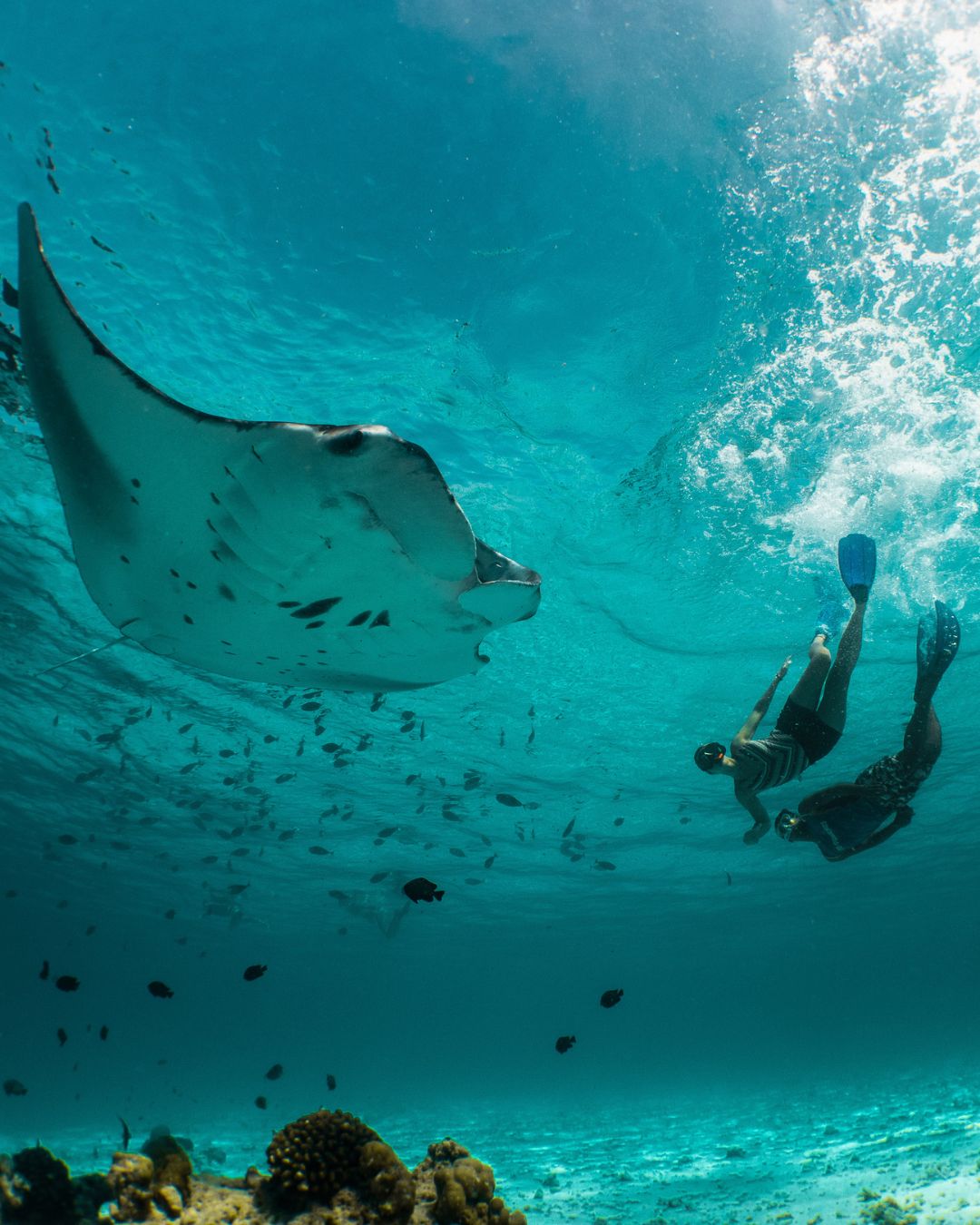
Despite their size, manta rays are gentle filter feeders that consume plankton. They have no venomous tail barb and are known for their curious nature, making encounters with them particularly memorable.
The distinctive spots on a manta ray’s underside are as individual as a human fingerprint, allowing researchers to identify and monitor them over time.
Hanifaru Bay: The Maldives’ Most Spectacular Manta Gathering
Located within the UNESCO-designated Baa Atoll Biosphere Reserve, Hanifaru Bay is one of the world’s most celebrated destinations for observing manta rays in the wild.
The bay’s distinctive funnel-like shape, combined with seasonal currents and tidal movements, creates an extraordinary natural phenomenon. Large concentrations of plankton become trapped in its waters, attracting dozens, and occasionally hundreds, of reef manta rays to feed.
During particularly active periods, visitors may witness manta rays circling gracefully through the water, sometimes forming remarkable feeding chains as they move together through plankton-rich areas.
To protect this delicate marine environment, Hanifaru Bay is strictly a snorkelling-only destination, with regulated visitor access and guidelines designed to minimise disturbance to the animals.
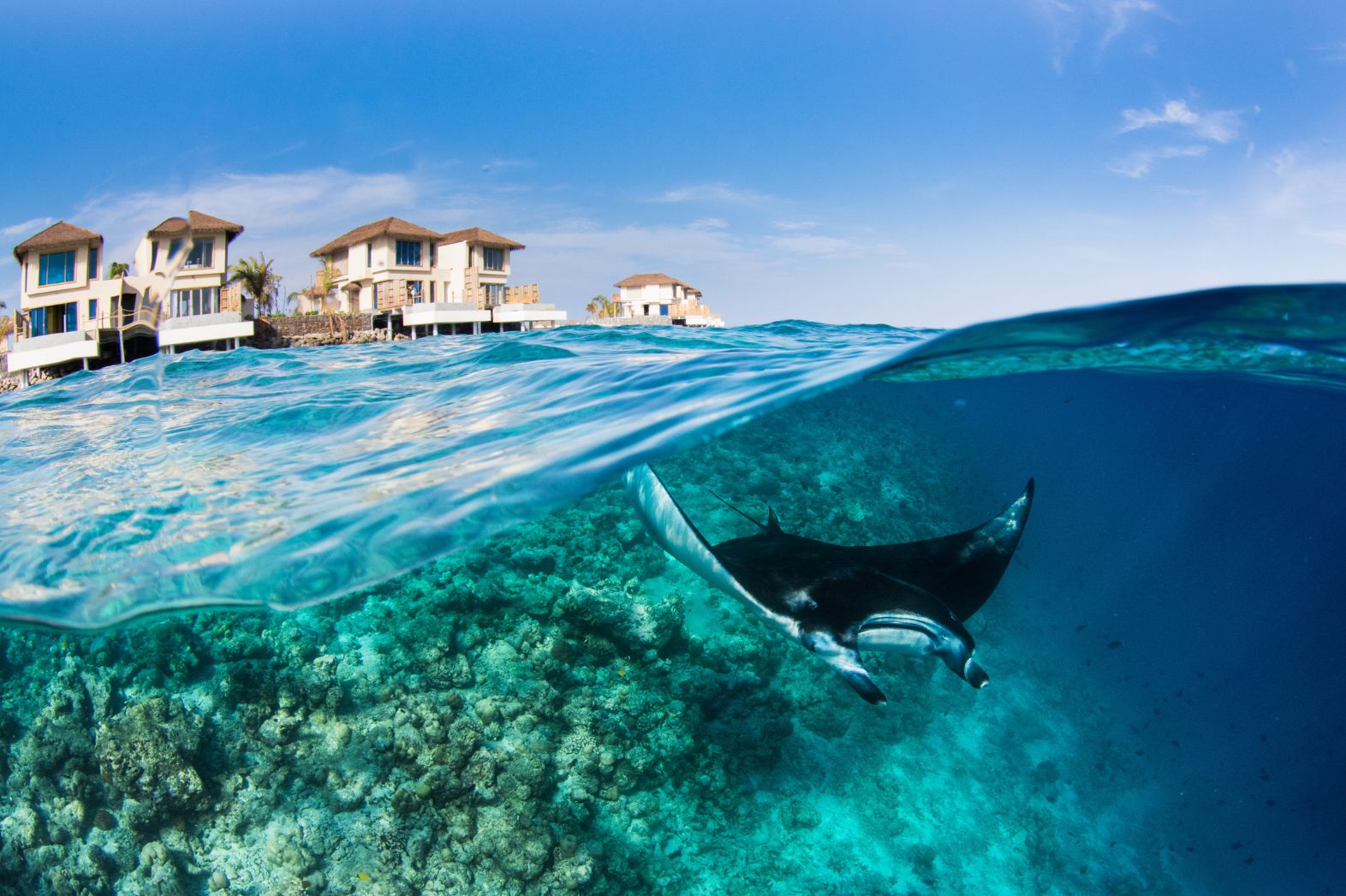
Other Places to See Manta Rays in the Maldives
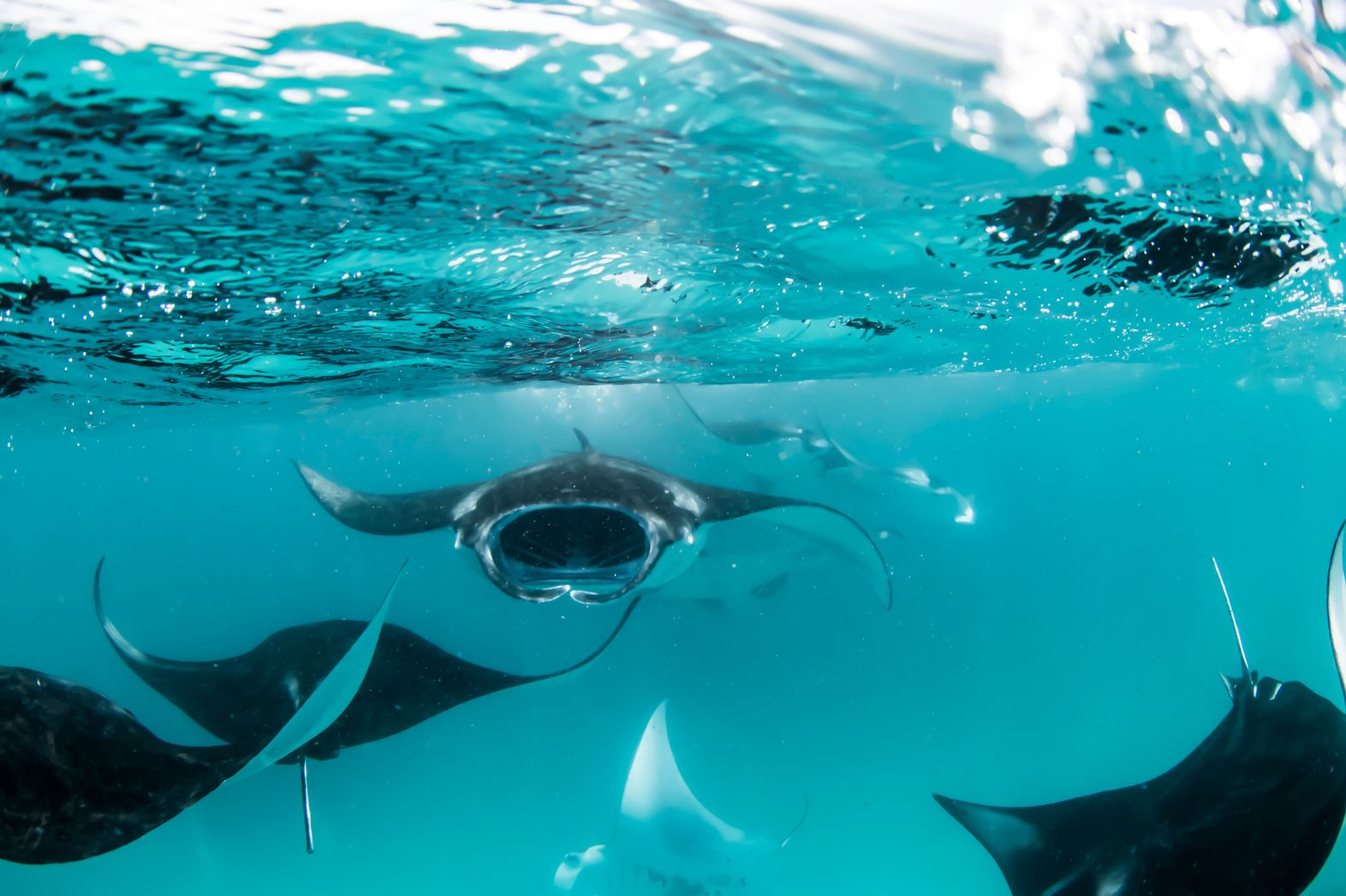
While Hanifaru Bay is the most famous destination for large manta gatherings, several other atolls offer exceptional opportunities for underwater encounters.
South Ari Atoll
Known for its abundant marine life, South Ari Atoll is home to established manta cleaning stations, including Rangali Madivaru. Here, manta rays can often be observed hovering above the reef while smaller cleaner fish remove parasites from their bodies.
The region is also celebrated for its whale shark encounters, making it particularly appealing to travellers interested in discovering the Maldives’ larger marine inhabitants.
Discover more about the best time to watch manta rays at Conrad Maldives Rangali Island.
North Malé Atoll
North Malé Atoll offers seasonal manta encounters at dive sites such as Lankan Manta Point. These cleaning stations attract manta rays to the reef, where divers can observe their natural behaviour from a respectful distance.
Fuvahmulah and Addu Atoll
For more experienced divers, the southern atolls offer opportunities to encounter oceanic manta rays in deeper waters. Fuvahmulah, in particular, is renowned for its pelagic marine life, although sightings of these larger mantas are less predictable.
When Is the Best Time to See Manta Rays in the Maldives?
Manta rays can be encountered in the Maldives throughout the year, although their movements are strongly influenced by seasonal monsoons and the availability of plankton.
May to November marks the southwest monsoon season, when conditions around Baa Atoll become particularly favourable for manta feeding activity. At Hanifaru Bay, the most impressive gatherings typically occur between July and October, depending on tides, currents and plankton concentrations.
During the northeast monsoon, generally from December to April, changing currents influence manta activity across other parts of the archipelago, creating opportunities for encounters at different reef systems and cleaning stations.
For travellers planning a holiday specifically around manta rays, choosing the right atoll for the season is just as important as selecting the right resort.
If seeing manta rays is a priority, we recommend choosing your atoll according to the season rather than selecting a resort first. For Hanifaru Bay, plan your stay between July and October and allow several days for the best chance of an encounter.
Luxury Maldives Resorts for Manta Ray Encounters
Choosing a resort with access to established manta habitats, knowledgeable marine guides and dedicated conservation programmes can transform a memorable snorkelling excursion into a deeper connection with the underwater world.
Here are five luxury resorts offering distinctive opportunities to discover manta rays in the Maldives.

Baa Atoll
Four Seasons Resort Maldives at Landaa Giraavaru
Situated within the Baa Atoll UNESCO Biosphere Reserve, Four Seasons Resort Maldives at Landaa Giraavaru combines exceptional luxury with a longstanding commitment to marine conservation. Its location provides access to the extraordinary marine environment surrounding Hanifaru Bay.
One of the resort’s most distinctive experiences is Manta on Call, which allows participating guests to be notified when manta rays are spotted in nearby waters. Subject to conditions and availability, guests can join an excursion to witness these magnificent creatures in their natural habitat. The resort’s work with the Manta Trust also offers valuable insights into manta research and conservation.

Baa Atoll
Soneva Fushi
Set amid the lush tropical beauty of Baa Atoll, Soneva Fushi offers a nature-led approach to luxury, where marine exploration forms an integral part of the island experience. Its location provides access to seasonal manta ray encounters at Hanifaru Bay.
Marine-biologist-guided excursions allow guests to discover the surrounding underwater environment while learning about the importance of protecting its delicate ecosystems. Combined with Soneva’s signature barefoot luxury, these experiences make the resort particularly appealing to families and couples who share a passion for nature.

Raa Atoll
InterContinental Maldives Maamunagau Resort
Located in Raa Atoll, InterContinental Maldives Maamunagau Resort offers a distinctive opportunity to explore the world of manta rays through its collaboration with the Manta Trust. The surrounding marine environment provides an important setting for manta research and conservation.
Guests can learn about these fascinating animals through marine-focused experiences that highlight their behaviour, identification and protection. Together with the resort’s spacious villas, personalised hospitality and beautiful natural surroundings, this makes InterContinental an attractive choice for travellers seeking a meaningful marine adventure.
Baa Atoll
Milaidhoo Maldives
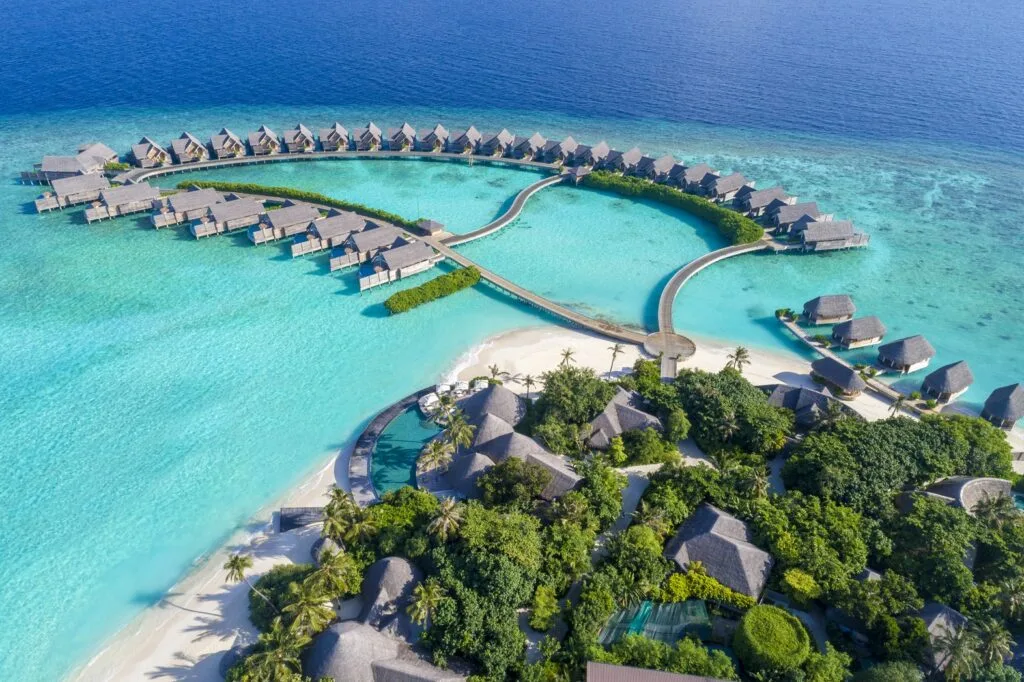
An intimate luxury retreat in Baa Atoll, Milaidhoo Maldives is particularly appealing to couples seeking a peaceful island escape combined with memorable marine experiences.
Its location within the UNESCO Biosphere Reserve provides access to seasonal excursions to Hanifaru Bay, where guests may have the opportunity to observe manta rays feeding in their natural environment. The resort’s personalised approach creates an appealing balance between underwater discovery and relaxed island living.
South Ari Atoll
LUX* South Ari Atoll
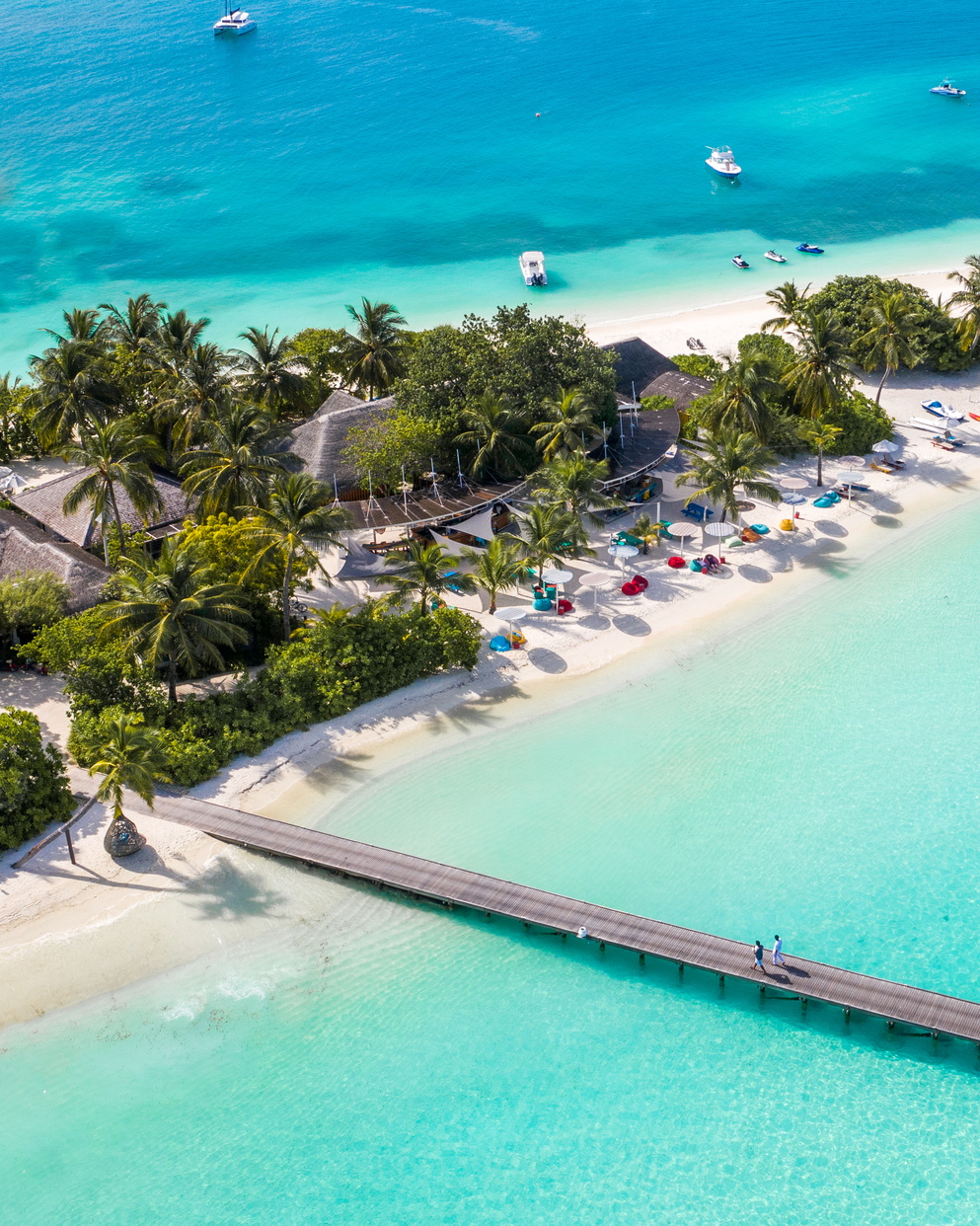
Located in South Ari Atoll, LUX* South Ari Atoll offers an alternative to the manta experiences of Baa Atoll, with access to a region celebrated for its remarkable marine biodiversity.
The surrounding waters are known for manta cleaning stations and opportunities to encounter whale sharks, allowing travellers to discover different aspects of the Maldives’ underwater world. With its expansive beaches, vibrant island atmosphere and diverse experiences, the resort is particularly well suited to active travellers and families who want to combine relaxation with marine adventures.
How to Swim Responsibly with Manta Rays
Swimming alongside manta rays is an unforgettable privilege, and responsible encounters are essential to protecting these gentle creatures and their natural habitats.
Always maintain a respectful distance, avoid chasing or touching manta rays, and allow them to determine the direction of the encounter. Touching their skin can damage the protective mucus layer that helps defend them against infections.
Underwater photography should be conducted without flash, and visitors should always follow the guidance of marine biologists and local excursion teams, particularly in protected areas such as Hanifaru Bay.
For those interested in exploring more of the archipelago’s underwater treasures, discover our guide to the best places to snorkel in the Maldives.
Frequently Asked Questions About Manta Rays in the Maldives
What is the best time to see manta rays in the Maldives?
Manta rays can be encountered throughout the year, but the best season depends on the location. For Hanifaru Bay in Baa Atoll, July to October is generally considered the peak period for large feeding gatherings.
Where is the best place to swim with manta rays in the Maldives?
Hanifaru Bay in Baa Atoll is one of the most celebrated locations for snorkelling with manta rays, particularly during the southwest monsoon. Other areas, including South Ari Atoll and North Malé Atoll, offer seasonal encounters around manta cleaning stations.
Can you snorkel with manta rays at Hanifaru Bay?
Yes. Hanifaru Bay is a protected snorkelling-only destination where visitors can observe manta rays under regulated conditions. Scuba diving is not permitted within the bay.
Are manta rays dangerous to humans?
No. Manta rays are gentle filter feeders and do not have venomous tail stingers. They are generally safe to observe when visitors maintain a respectful distance and follow responsible wildlife interaction guidelines.
Which luxury resorts are best for manta ray encounters in the Maldives?
Four Seasons Resort Maldives at Landaa Giraavaru, Soneva Fushi and Milaidhoo Maldives provide access to Baa Atoll’s seasonal manta experiences. InterContinental Maldives Maamunagau Resort is particularly interesting for its manta conservation initiatives, while LUX* South Ari Atoll offers access to the marine environments of South Ari Atoll.
Plan Your Maldives Manta Ray Experience with SEANSES
At SEANSES, we create personalised luxury journeys across the Maldives, helping you choose the right resort, season and experiences for an exceptional island escape.


